Tag Archives: low carb

What Causes Leaky Gut

What Causes Leaky Gut - Amanda Naturally
© Ohmega1982


This is the second in a series of posts on digestive health and leaky gut. If you haven’t read the first post, you can find it here. It discusses how the digestive system is supposed to work and why leaky gut is so dangerous to the overall health of the body. As a quick reminder, here is a brief summary:

The cells in the gut lining, as well as the proteins that hold them together (known as tight junctions) deteriorate, effectively creating “leaks” in the gut barrier. This means that our immune system has been seriously compromised. This is never ideal, but it is especially risky at this time of year! The separation between cells also allows undigested food particles, bad bacteria and environmental toxins to bypass the strictly regulated absorption process and go directly into the bloodstream, where they do not belong. Once in the bloodstream, chronic inflammation is inevitable. Additionally, food particles, bacterium or toxins can trigger an inappropriate immune response by the body, leading to an autoimmune reaction.

It is clear that maintaining the integrity of our digestive tract is pivotal for reducing total-body inflammation and supporting a healthy immune system that will protect us from pathogens and not misidentify our own tissues as pathogenic! So what actually triggers the gut lining to deteriorate?

What Causes Leaky Gut?

1. Food

Every bite of food we eat comes into contact with our digestive tract lining. Therefore it makes sense that food will have a significant impact on gut health. The following foods are the riskiest when it comes to intestinal permeability. I apologize in advance for the highly technical jargon, especially with regards to gluten. Scroll down to the last few sentences starting with “MORAL OF THE STORY” to skip over the science!

What Causes Leaky Gut - Amanda Naturally

There are 2 other groups of foods that can cause trouble for some individuals – grains and legumes. Since plants can’t run away from their predators they have to protect themselves in other ways. One way is by containing chemicals that inflict pain and damage, and/or prevent us from absorbing the nutrients. The end goal being their predator smartens up and stops eating them. Lectins, which are found in highest concentrations in grains, are problematic for a few reasons. They are difficult to digest which can lead to an overgrowth in pathogenic gut bacteria and they have the ability to cause direct gut damage. The most common and most damaging lectin is gluten. Saponins, found in legumes and pseudo-grains like quinoa, act like a soap and break up the cell membrane (composed of fatty acids and cholesterol) of all tissues it touches, including the digestive tract. Damaged cell membranes result in the inability for cells to function properly. Saponins also trigger the pro-inflammatory cytokine cascade, which means they cause inflammation by stimulating the immune system. This can be very damaging for individuals who have an overactive immune system already, as in the case of autoimmunity. Legumes such as soy contain protease inhibitors, which significantly limit our ability to digest protein. So even if the legume has a moderate amount of protein in it, we are often unable to fully digest and absorb that protein.

2. Stress

When our body is exposed to a stress (financial, emotional, food sensitivity, environmental toxin…anything!) it only has one way of responding. It responds the same way it would if you are confronted with a grizzly bear. It diverts all of its energy and resources to the organs and tissues required to fight or run away, with the singular goal of saving your life. It does this by sending a flood of hormones through your body, one of which is the hormone is cortisol. When cortisol is released, it causes a weakening of the tight junctions which keep your gut lining in tact. It also diverts blood away from digestion (because clearly nutrient absorption is not a priority right now!) which slows down gut transit time. Slowed transit time, or constipation, results in an overgrowth of bad bacteria which can cause and/or worsen leaky gut.

Another stress-hormone called corticotropin-releasing hormone (CRH), opens tight junctions in all barriers within our body – gut, skin, lung, and blood-brain. This puts our body at a significant disadvantage when it come to fighting off pathogens. Exercise is a great way to manage stress in the body, but it is important to recognize that exercise is also inherently a stressor. Overtraining causes elevated cortisol and CRH, and chronically diverts blood away from digestive processes. This lack of blood supply causes damage to the gut cells, which in turn, increases susceptibility to leaky gut. Additionally, prolonged and high intensity exercise can directly cause tight junction damage.

3. Pharmaceuticals

What Causes Leaky Gut - Amanda NaturallyMedications can cause or worsen leaky gut. Interestingly, one of the most implicated groups of pharmaceuticals are NSAIDs such as ibuprofen and aspirin. It is not uncommon for people to casually pop a few Advil on a daily basis to manage a headache, injury or muscle soreness from overtraining. Only use ibuprofen when absolutely necessary, and consider working with a holistic health practitioner to determine why you require an anti-inflammatory drug so frequently.

4. GMOs

Genetically Modified Foods are a newer concern in our food supply. While there are no studies proving the harm of GMOs, unfortunately there are also no long term studies on their safety. One of the major concerns is some GMO crops, such as corn, have been genetically modified to secrete their own pesticide. This pesticide works by damaging the gut lining of the insects that eat it, causing their gut bacteria to flood their body and eventually causing death by blood infection. There is growing concern that the same action may occur on human digestive tracts as well. Avoid common GMOs by choosing organic corn, soy, canola and sugar – or avoid these foods altogether!

Summary

Start taking care of your digestive tract by eliminating harmful foods such as gluten, sugar, dairy and alcohol. Avoid GMO foods and unnecessary pharmaceuticals. Check in with the amount of stress in your life and work on managing it. Exercise in moderation based on your individual health level, adopt a meditation practice, learn to say no and make sure to ask for help! 

One of the things I always preach is to focus on what TO DO, not what NOT TO DO, but in this case I had to lay down the groundwork to emphasize the WHY. So check out part 3 – Healing Leaky Gut – where I discuss what foods promote a healthy gut, how to provide your body with nutrients required for healing and what lifestyle changes can make a big difference!
Beef Jerky

Beef Jerky - Amanda NaturallyAnyone who makes an effort to eat whole, real foods most (if not all) of the time, can totally sympathize with me when it comes to finding quick grab-and-go snacks. Sometimes I wish I was still in the dark about nutrition so I could grab a protein bar to throw in my purse for those just-in-case moments. Unfortunately, I still have not found a bar that I consider real food, so homemade snacks are my only option. The one exception are Larabars, which I do enjoy, but I find they’re very sweet and mostly dried fruit. Since they range from 3-5g of protein per bar, I don’t really classify them as high protein snacks. When you start to get into the actual high-protein snacks 3 things happen:

  1. They start using whey (dairy) which I am allergic to.
  2. They start adding all sorts of other garbage to make it taste remotely ok.
  3. If they are striving for a “clean” bar, they use stevia (which messes up my stomach) and all sorts of grains, which can be problematic for some.

Nuts and seeds don’t cut it either. While they have some protein in them, they are mostly fat. Which is a good thing! But can be easily overdone and a lot of people don’t find them that satisfying. I know I don’t. I can bang back handfuls of nuts in a short period of time – which usually makes me feel pretty darn sick. But if I limit myself to a small portion, it really does not seem to do the trick.

So what options are there? I can’t do dairy so yogurt and cottage cheese are out. Beans are a no go for me – but they’re not really a nutrient dense protein source anyway. Protein powders  – well there’s a time and a place for them, they’re heavily processed, very few have clean ingredients and those that are often have stevia (darn stomach). For the longest time, the only protein-dominant snack I could think of was eggs. Hard boiled eggs are still one of my go-to’s for a quick protein source that requires minimal refrigeration. But honestly, how many eggs can a girl eat? Most days I have 2-3 eggs for breakfast, and I don’t know what it is, but that usually seems to be my limit.

When I really started getting into the real, whole foods scene, I began seeing some incredible store-bought snacks that bloggers and instagrammers were raving about. Epic Bars, Exo Bars, Steves Paleo Goods, Sophia’s Survival Food – all of these would actually work within my food options! I was stoked, but soon learned that these products are only available in the US. You can have them shipped to Canada, but for a hefty fee, so I decided to do what I always do…make my own!! 

Homemade beef jerky is actually an incredibly easy process – it just takes a bit of time! My first inspiration was this great tutorial for homemade jerky over on The Paleo Mom. I made my first 2 batches of jerky following this method and was hooked.


http://instagram.com/p/qHdbEWC9gL/?modal=true


I loved having jerky in the cupboard for so many reasons! It was perfect for long days at the office, days where I don’t have any leftovers for lunch, road trips, vacations, on airplanes, days when you are out and about all day long and even times when you might be eating with other people and there are not many options for you due to food sensitivities, or what have you. I could just throw it in my purse and not worry about it!

The only problem was it took so darn long in the oven. There were very few days that I could actually dedicate to the 7+ hours required to be at home. So I made a purchase that I swore I would never need – a dehydrator! I bought it used so it was a reasonable investment that has paid for itself over and over again! Now I make jerky every time I get a meat delivery, and while we try to save it for times of need, it rarely lasts us a week because it’s so freakin delicious! 

Homemade Beef Jerky

The cut of beef is the most important part. You want a large piece of meat that has very little fat on it. Or if there is fat, that it is on the outside and easy to remove. Fat goes rancid pretty easily, so if there is fat on your jerky, it decreases the shelf life. This is the only time I recommend avoiding the marbled meat options! I did lots of research, but really struggled to know what to purchase because the names and cuts of the animal seem to vary dramatically between countries! I started experimenting and have now tried a few different cuts. Flank steak had a bit too much marbling. Brisket was good, but I was pretty devastated getting rid of the huge layer of fat that ran through the middle of the meat. The third time was the charm. I tried a blade roast from our favourite grass-fed meat delivery team – Brooker’s Meat – and it’s now my jerky cut of choice! I usually make 2 different flavours, to keep it interesting.

Ingredients

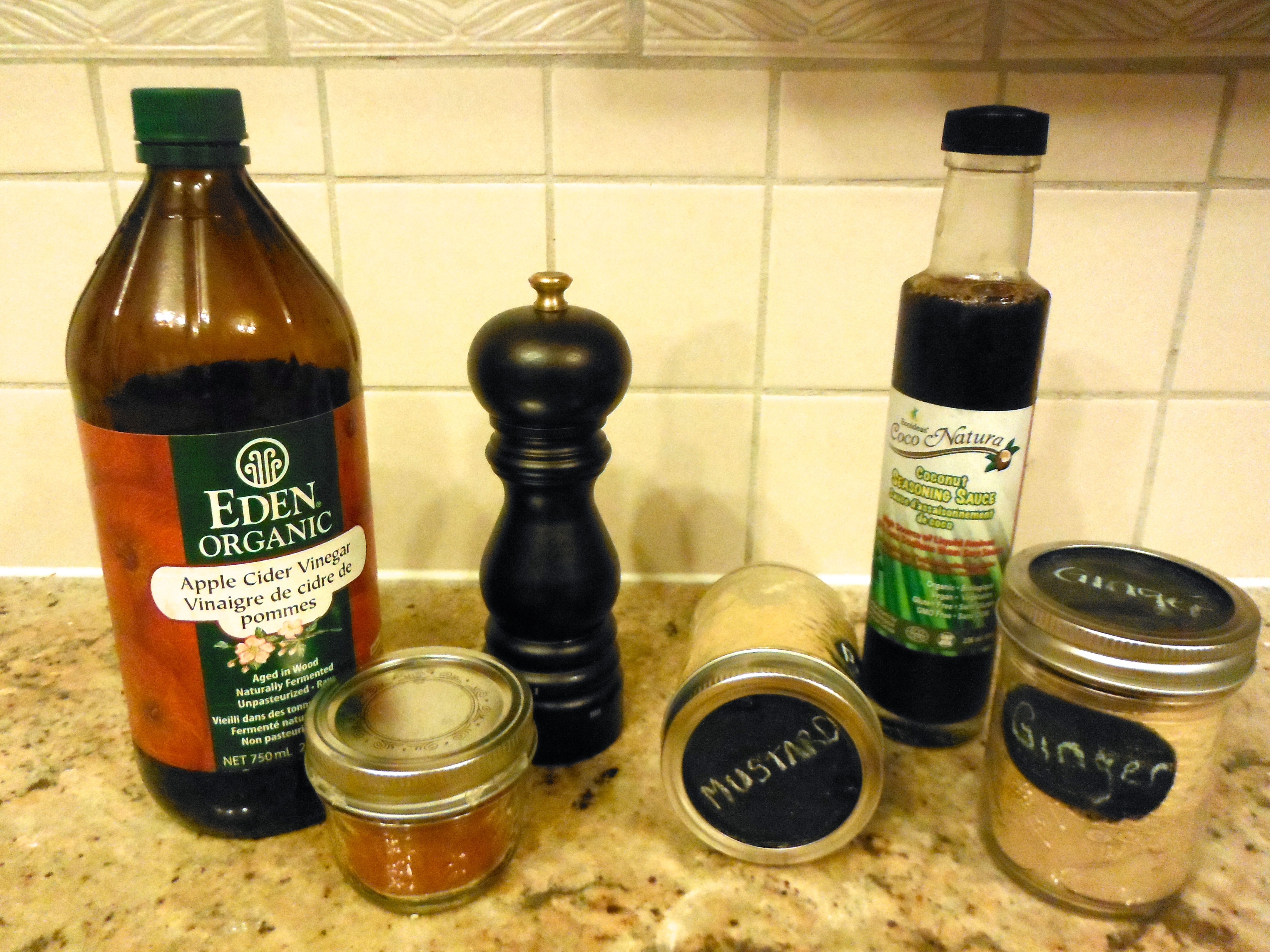
Beef Jerky - Amanda Naturally1 grass-fed Blade Roast (mine was 3.72 lbs and cost $27.86)

¼ cup apple cider vinegar
2 tsp hot paprika

¼ cup coconut seasoning sauce (called coconut aminos in the USA. Alternatively, use gluten-free tamari or soy sauce)
½ tsp mustard powder
1½ tsp ginger powder

Sea salt, liberal amounts.

NOTE: Paprika is a nightshade, so may need to be avoided by some people. The coconut seasoning, mustard and ginger batch is nightshade free. If following the autoiommune protocol strictly, eliminate the mustard powder because it is made from a seed.

Directions

Meat is easier to cut when it’s on it’s way to frozen. So if previously frozen, let thaw in the fridge and slice when it’s still slightly firm. Alternatively, freeze for 30-60 minutes before starting to make cutting easier.

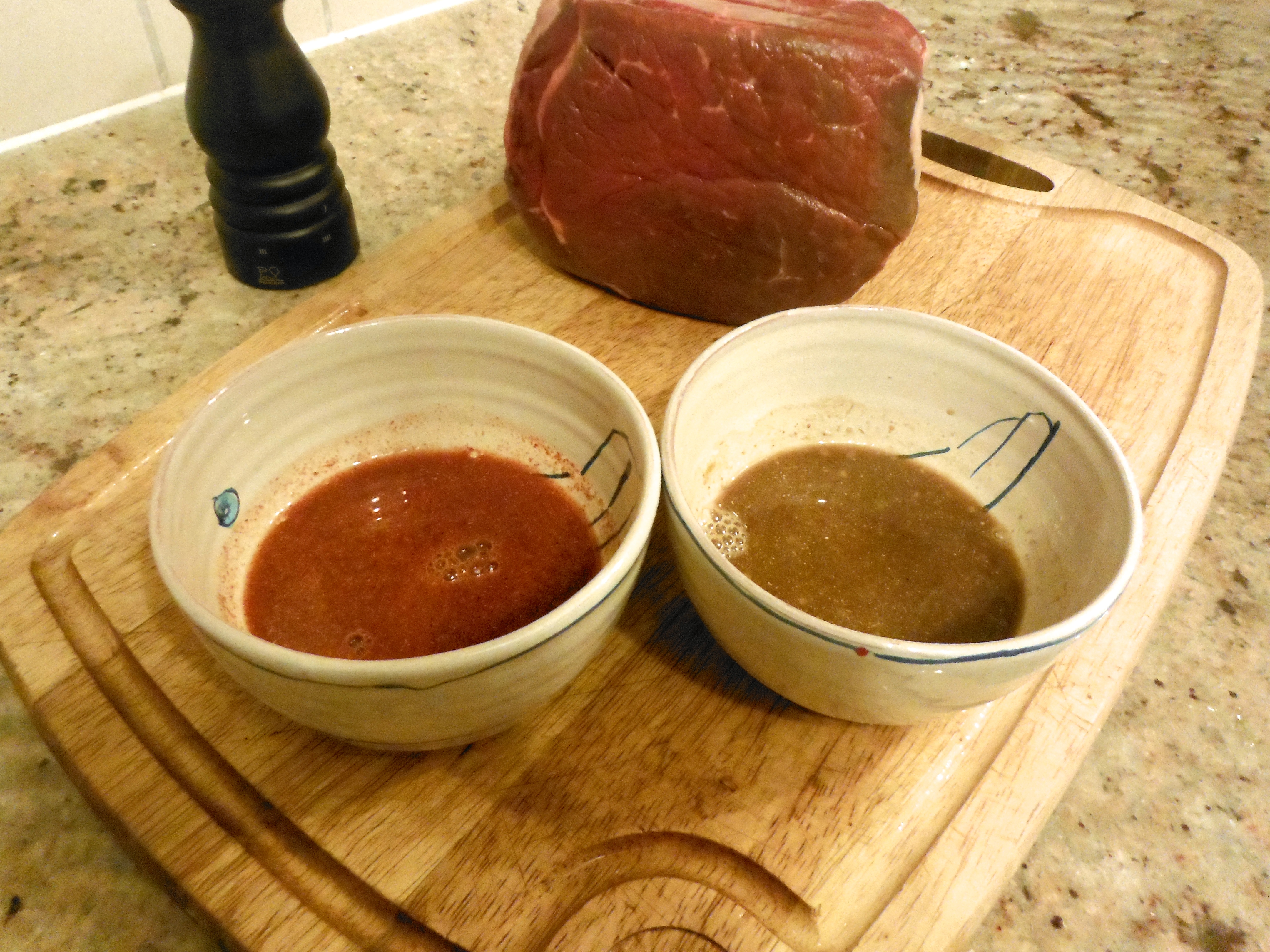
Combine the apple cider vinegar and hot paprika in one small bowl. Mix thoroughly. Combine the coconut seasoning (or tamari), mustard and ginger in another small bowl. Mix throughly.

Beef Jerky - Amanda Naturally

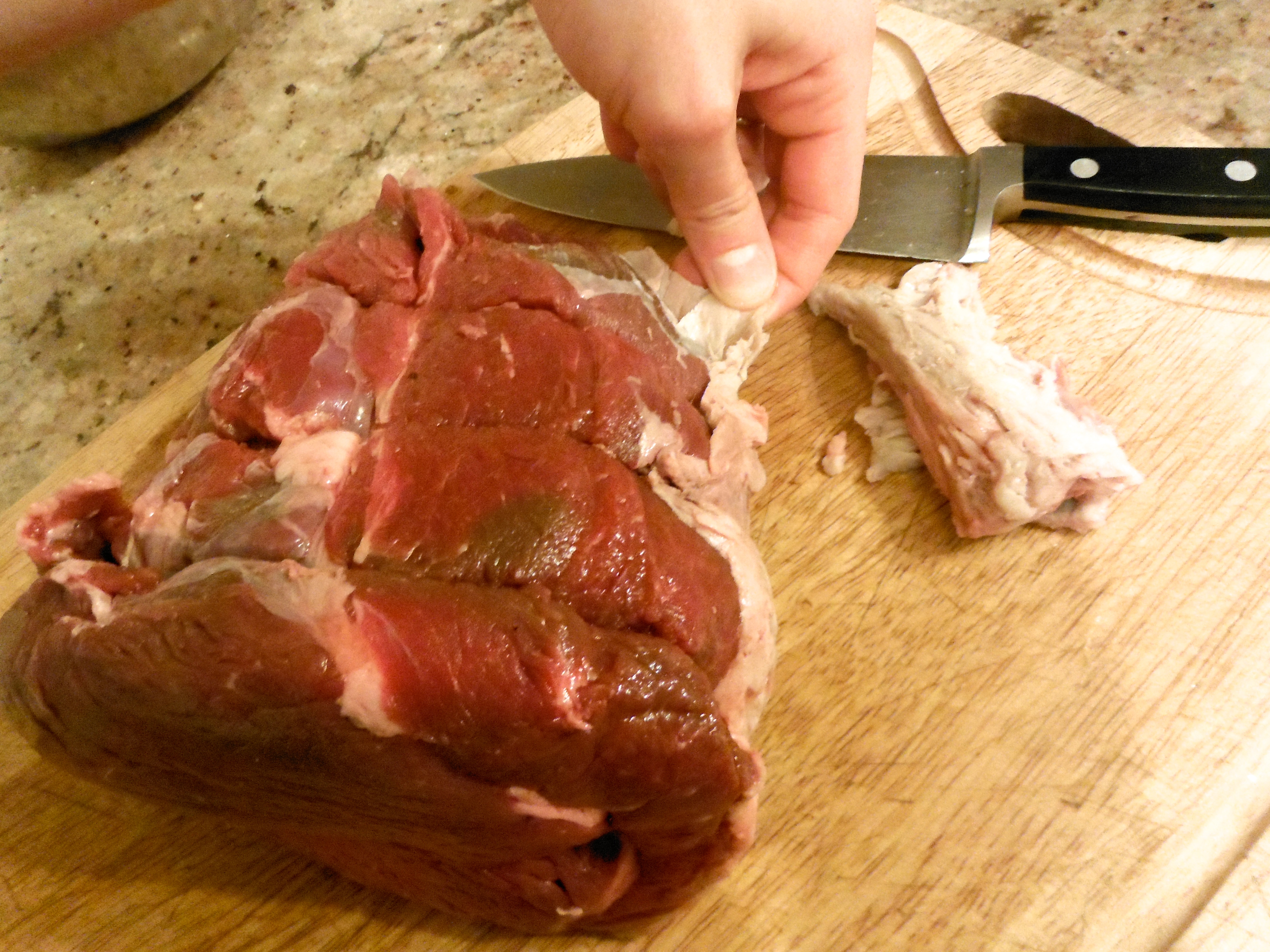
Prepare your cut of beef. Remove as much of the fat as possible. 

Beef Jerky - Amanda Naturally

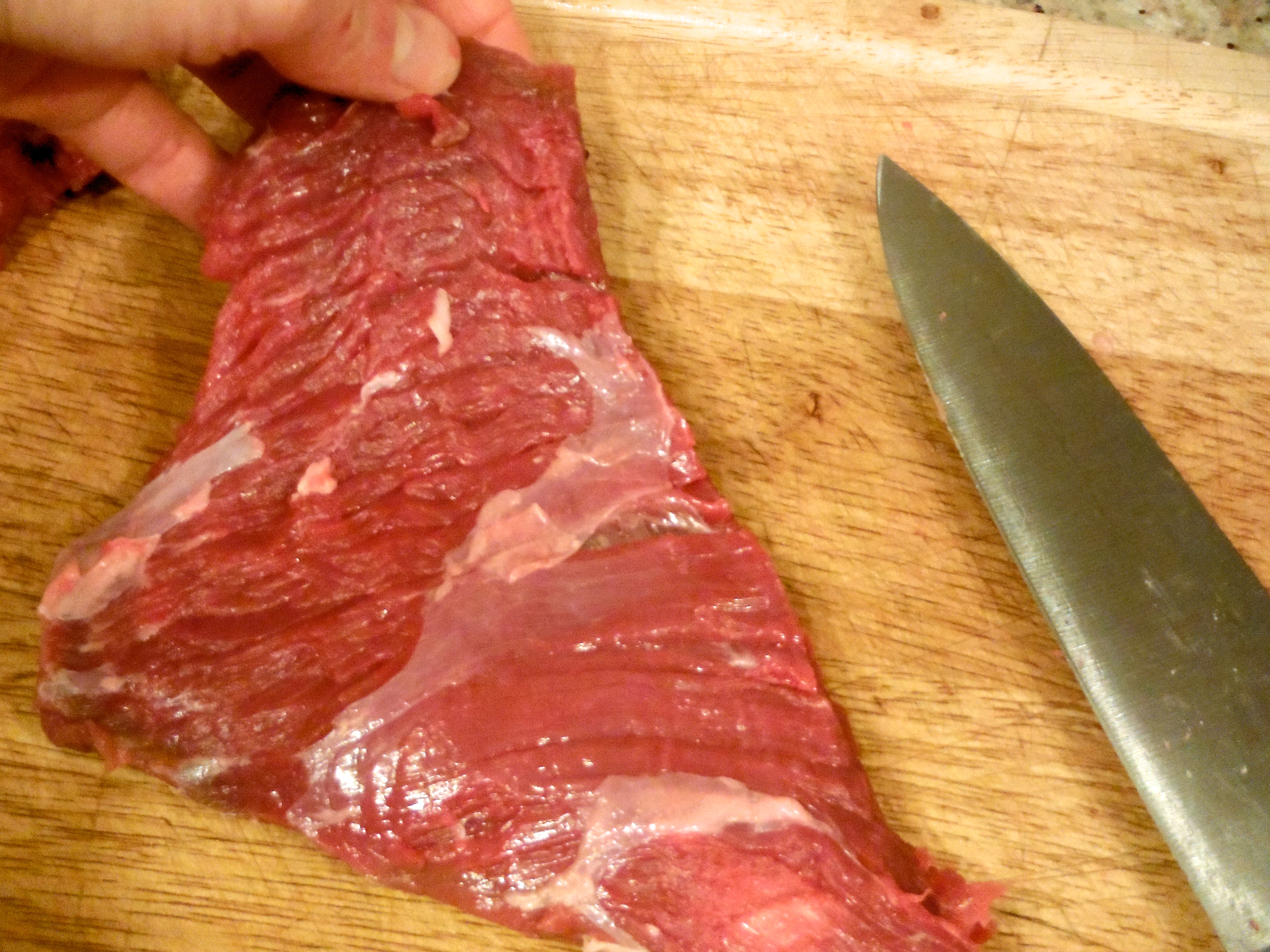
Then, cutting against the grain, slice the piece of meat into jerky sized pieces. Mine are about ¼ inch thick or less.

Beef Jerky - Amanda Naturally
The grain is running side to side in this photo, so I am cutting “against” it, or perpendicular to it.

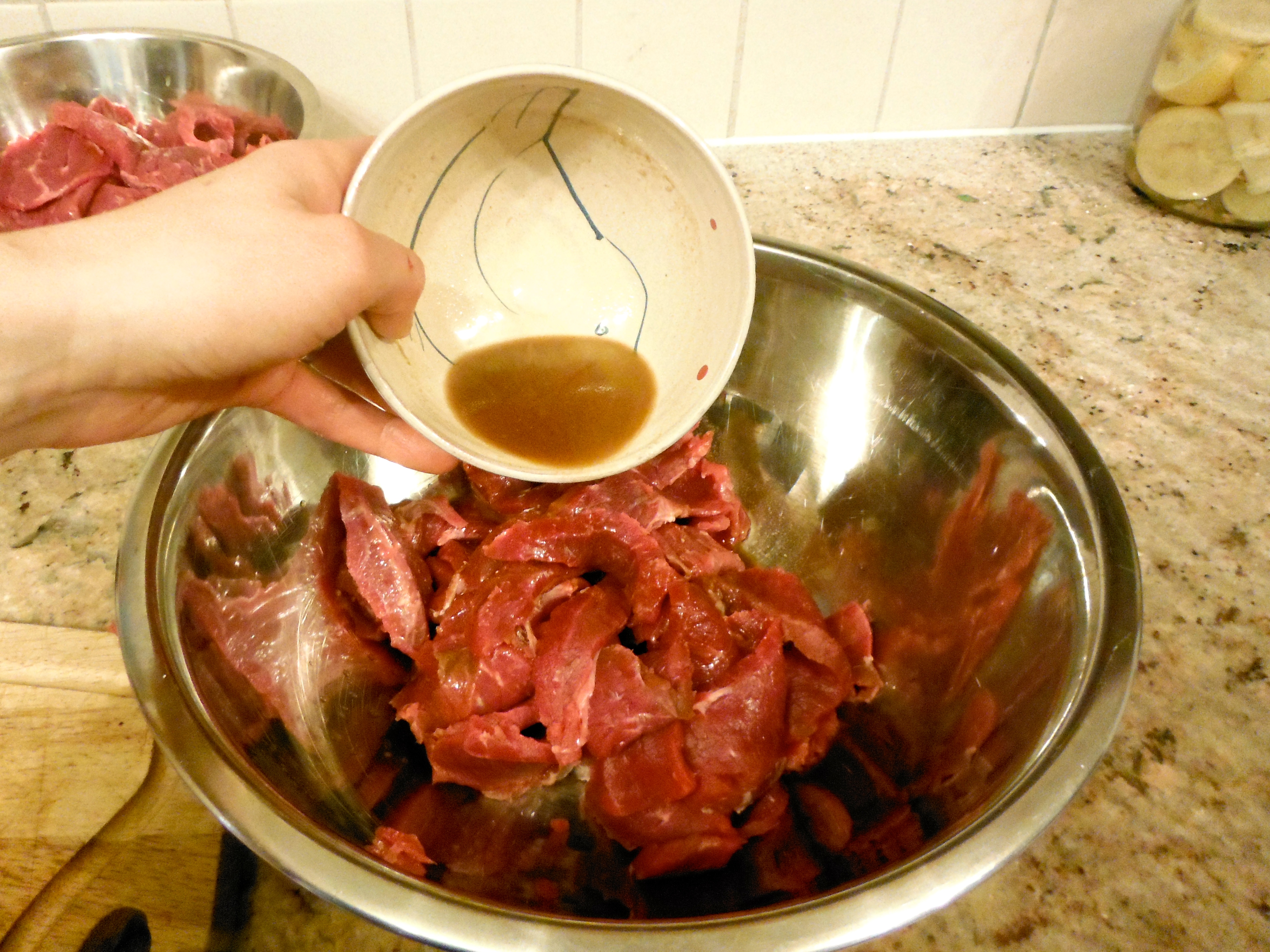
Divide the sliced meat into 2 bowls and pour the 2 seasoning mixes over them. Season liberally with sea salt, mix well and let marinate on the counter for 30 minutes.

Beef Jerky - Amanda Naturally 2014-10-21 14.34.20

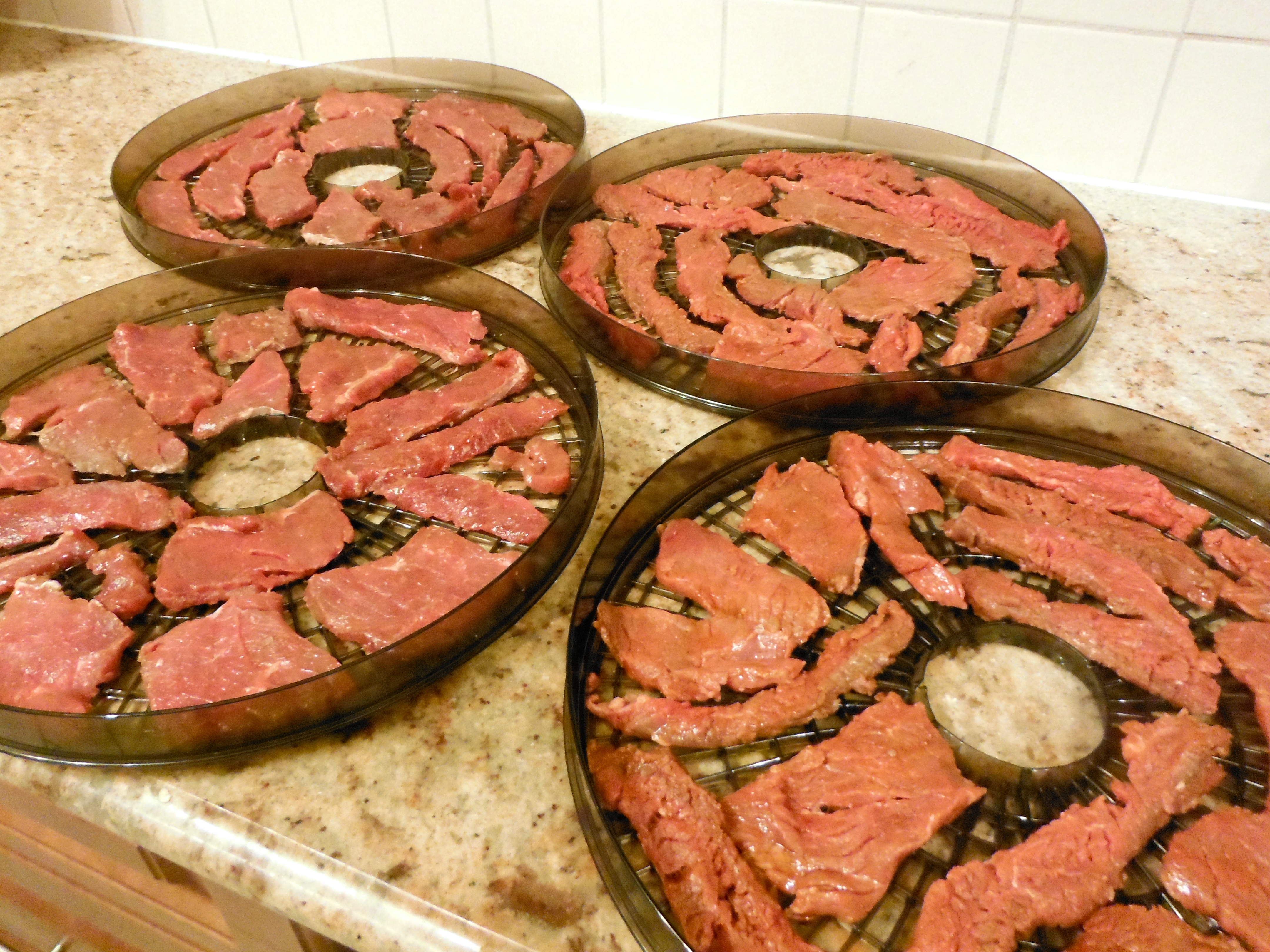
Lay your jerky pieces on to your dehydrator trays making sure they don’t touch. Season again with sea salt.

Beef Jerky - Amanda Naturally

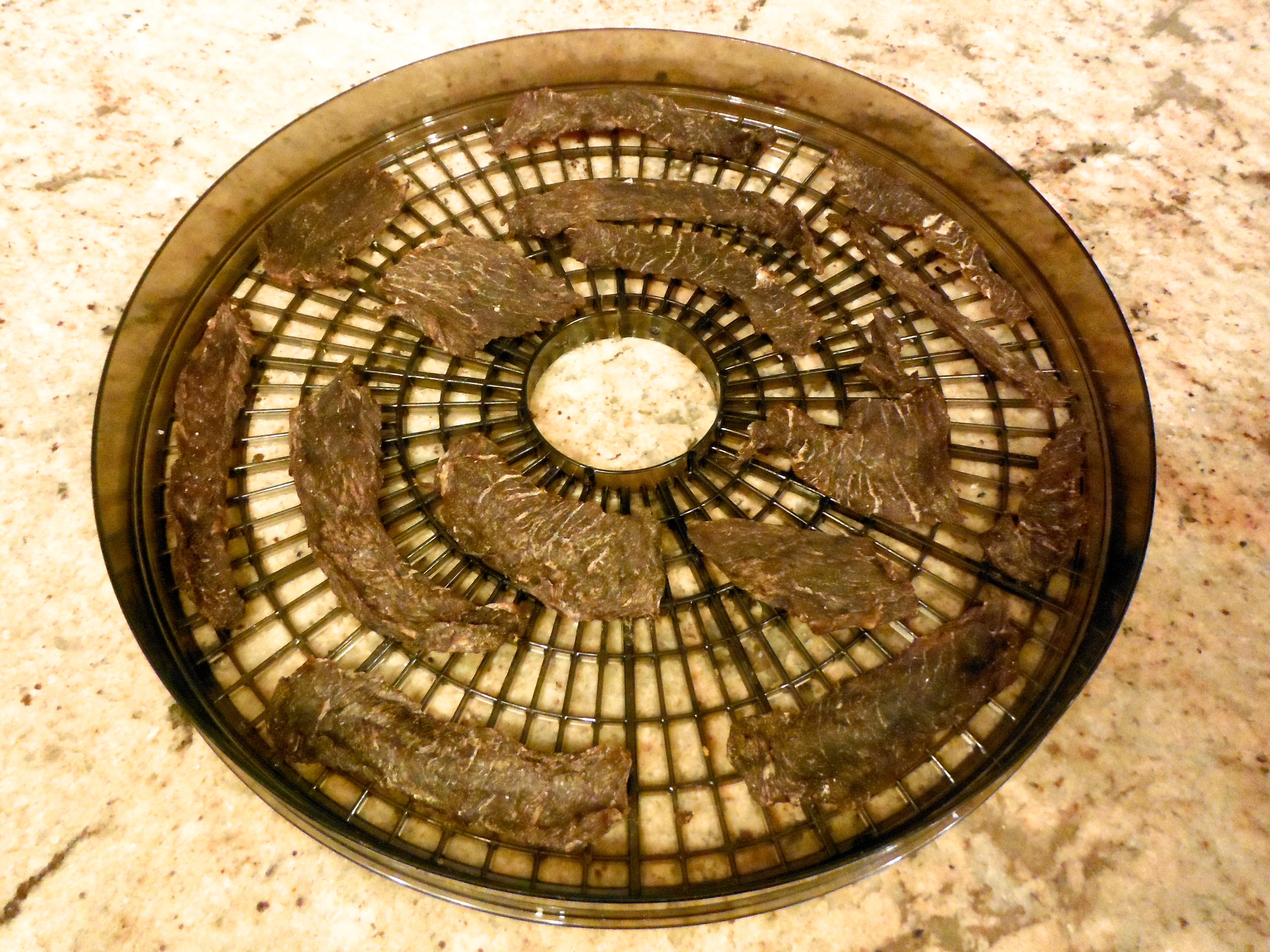
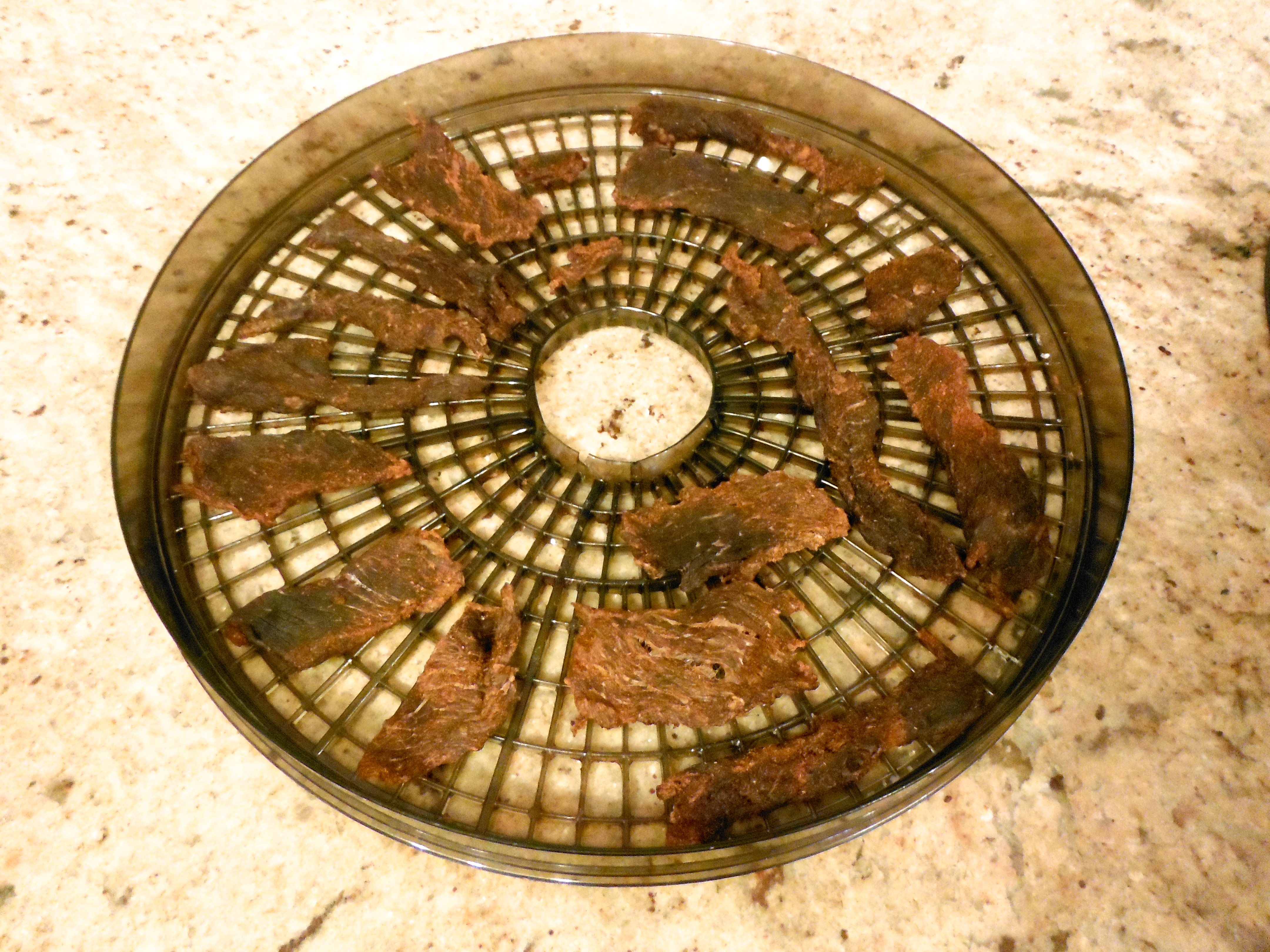
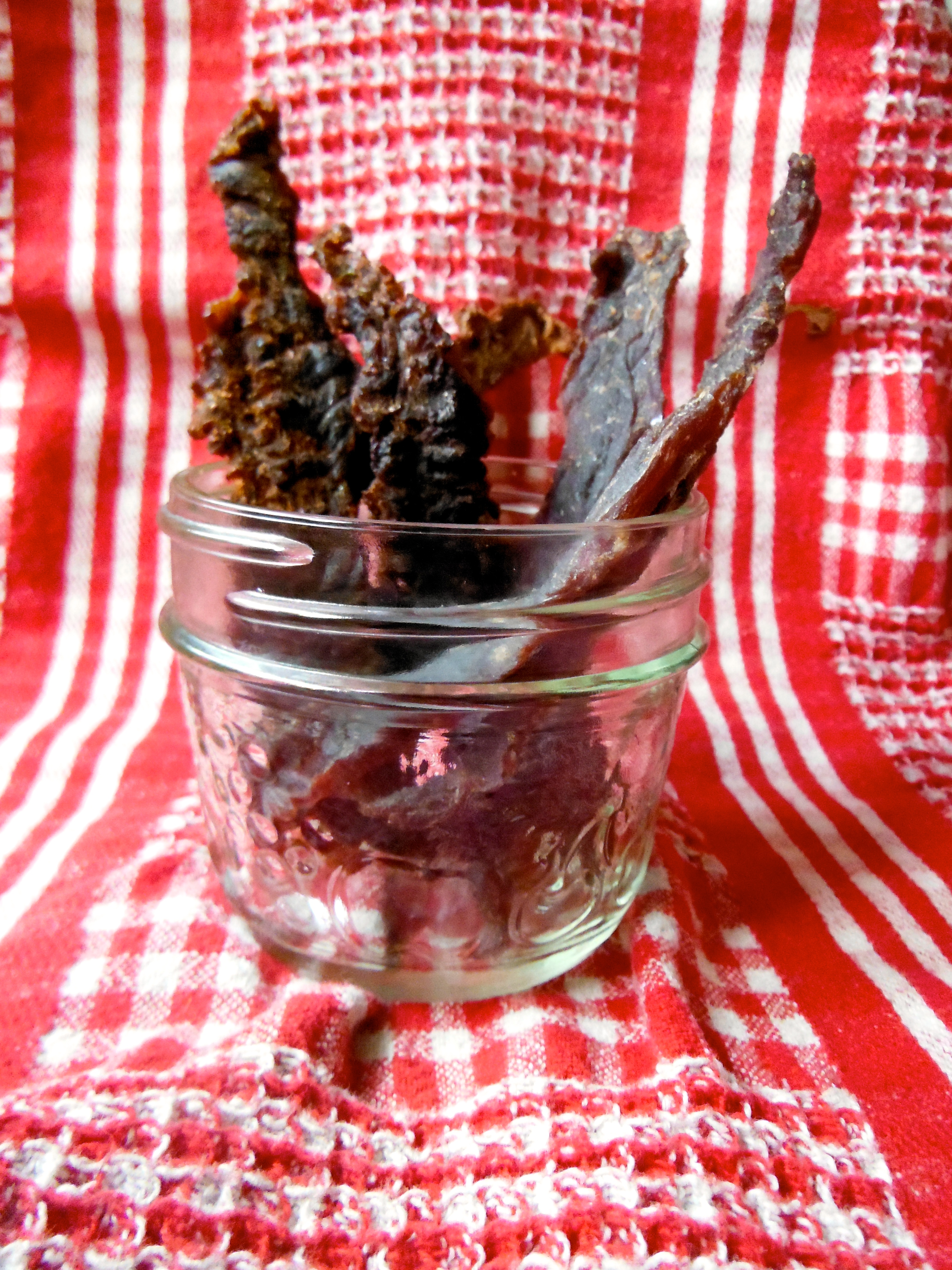
Dehydrate for 24 hours, or until ready. Most of mine were ready in about 24 hours, but I threw a few thick, weirdly shaped pieces back on for another 6 hours. (Note: if you do not have a dehydrator, you can follow the initial directions I followed, or simply bake in the oven at 200F on drying racks/baking sheets for a few hours.) The photos below is what it looks like when it’s done. The ginger mustard batch is on the left, and the spicy batch is on the right.

Beef Jerky - Amanda Naturally Beef Jerky - Amanda Naturally 

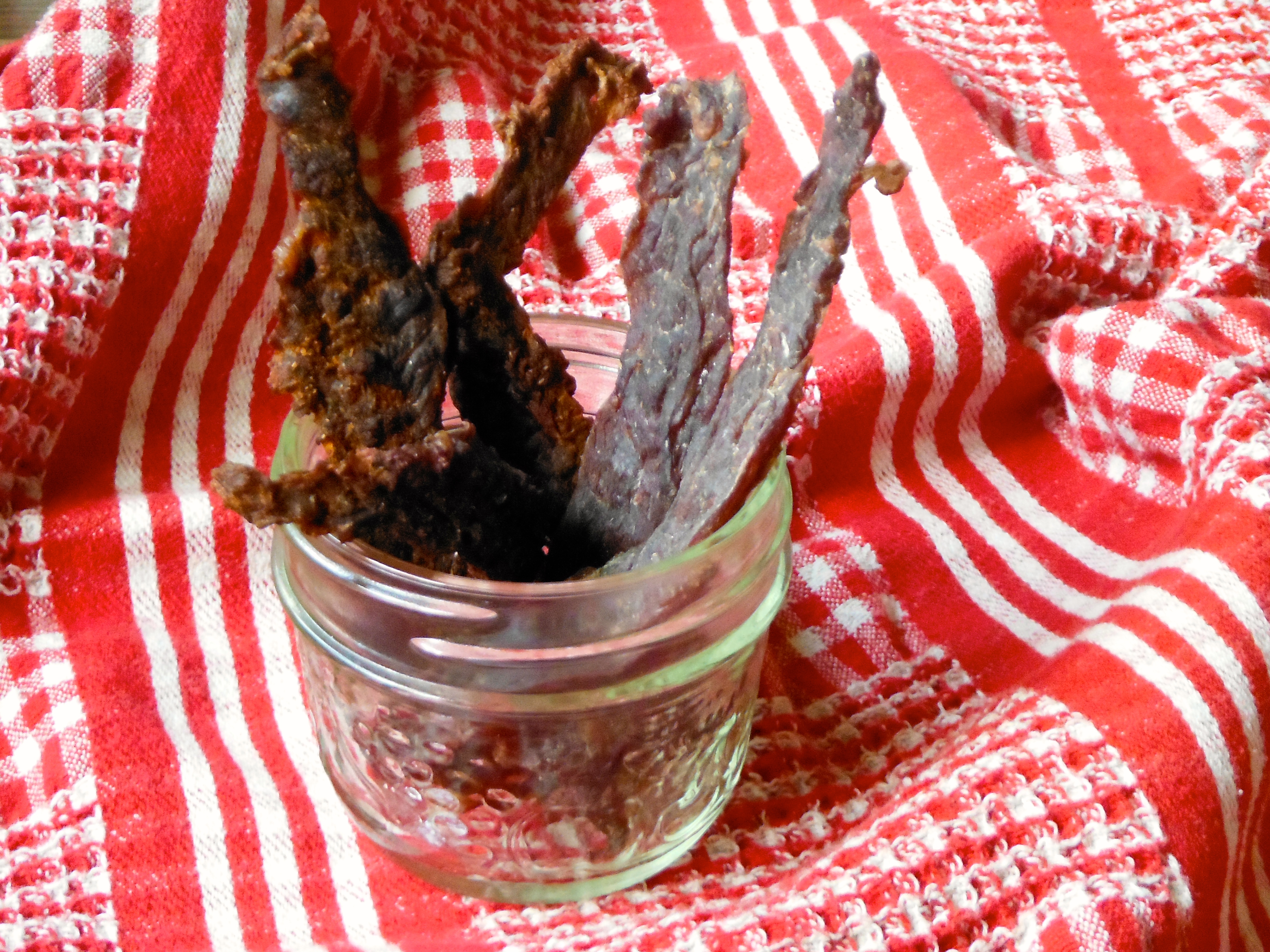
Store in a sealed container in the cupboard. Word on the street is this stuff lasts a while, like 6+ months. Mine has never lasted more than a few weeks!

Beef Jerky - Amanda Naturally

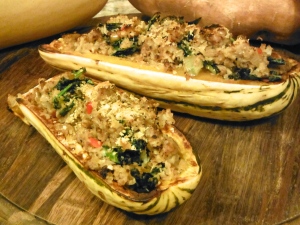
Sausage Stuffed Delicata Squash

Sausage Stuffed Delicata Squash - Amanda NaturallySquash is by far my favourite of the fall foods! As soon as the weather cools down a bit in September I throw the first
squash I can get my hands on into the oven and roast it until it starts to caramelize. It is so sweet and delicious, while being a fairly low concentration of carbs, so you don’t get whacked with a massive blood sugar spike. The ironic thing is when I was a kid I hated squash. It would literally make me gag, so I would mix ½ tsp in with a huge spoonful of mashed potatoes so I could taste it less..but then it would ruin my mashed potatoes. Siiggh, 8-year old problems. My brother and I would even fight about who had to carry it to the table, we hated it so.

That all changed when I was in grade 12. I randomly ended up at a sort of friend / acquaintance’s house for dinner one night and her mom served us a quarter of an acorn squash with a pat of butter and some brown sugar. I almost died when I saw it, but I sucked it up and ate it because I didn’t want to be rude. I was shocked to find out it was delicious and I’ve never looked back. Thank you social pressure! My brother still calls me a traitor…

Sausage Stuffed Delicata Squash - Amanda Naturally

My favourite of all the squash is the Delicata. These guys only seem to be out for a short while in the fall, so I scoop them up where ever I find them! I love them for a few reasons:

  1. small in size, so they cook faster
  2. thin diameter and thin skin, so they are less risky to cut open
  3. you can eat the skin!

Speaking of the risk associated with trying to hack open a raw squash. A few years back I was googling around trying to find an easier way to cut squash, because I was sure I’d lose a finger one day. I stumbled across the most incredible trick that I have used on every squash I’ve cooked since!

Wash the skin of entire squash well. Throw it directly into the oven while it is preheating to the eventual temperature you are going to roast it at. Depending on the size of the squash, leave it in there for 15-25 minutes.

Sausage Stuffed Delicata Squash - Amanda Naturally

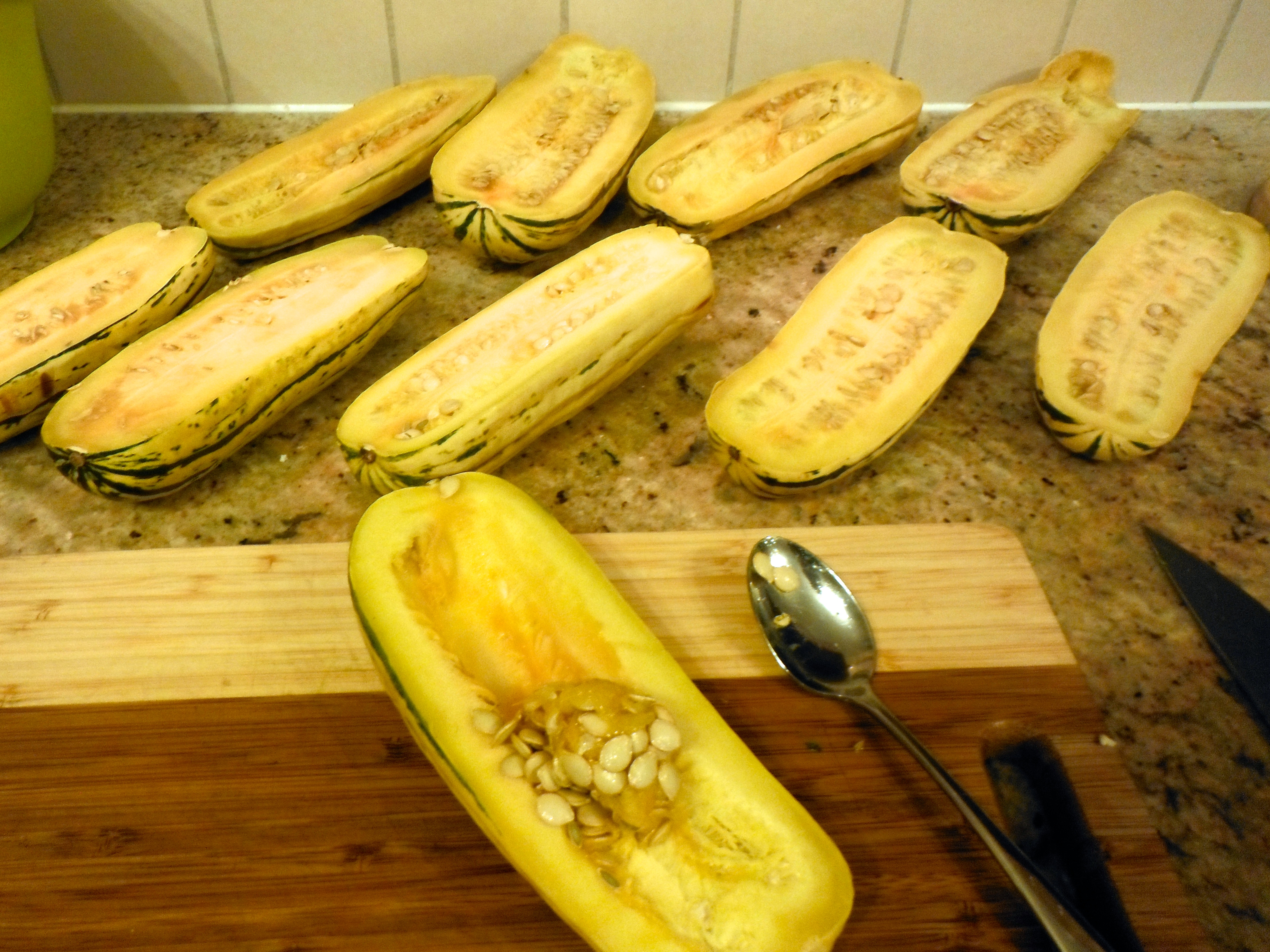
At about the 20 minute mark, pull the squash slice it open and scoop out the seeds. You likely will want to wear oven mitts because baked squash retain their heat forever!

I have done this with acorn, delicata, buttercup, butternut, spaghetti…. it has never exploded because it’s not in there long enough, and I am much more confident in making it to my 30’s with all of my fingers!

Ok back to my favourite squash….today I bring you Sausage Stuffed Delicata Squash!

I was inspired by a traditional recipe for stuffed peppers, which typically uses rice and ground beef. I used cauli-rice (anyone who hasn’t tried it, do it! It’s delicious!) and farmer’s garlic sausage from our meat delivery guys because it was already spiced a bit, which made my job a whole lot easier! The recipe may look long and involved, but I promise you it is very easy. The only tricky part is there are multiple parts going at the same time. The good news is, it’s really hard to mess up any one part. So while the recipe may indicate that something needs to be cooked for 5 minutes, anywhere from 5-10 is okay! Just keep the heat below medium to prevent burning, and you can take it at your own pace. 

PS. These guys would be amazing stuffed in mini pumpkins for Thanksgiving…just sayin’!

Sausage Stuffed Delicata Squash - Amanda Naturally

Sausage Stuffed Delicata Squash
Serves 6
A delicious and nutritious meal, inspired by local fall flavours.
Write a review
Print
Prep Time
10 min
Cook Time
50 min
Total Time
1 hr
Prep Time
10 min
Cook Time
50 min
Total Time
1 hr
Squash
  1. 4-5 delicata squash
Sausage
  1. 2 tbsp fat of choice (duck fat, lard, tallow, coconut oil)
  2. 2 onions, diced
  3. 1 large bell pepper, diced
  4. 3-4 cloves garlic, minced
  5. 4 pastured sausages
  6. 1 bunch kale, washed and chopped into bite sized pieces
  7. sea salt
  8. pepper
Cauli-Rice
  1. 1 head cauliflower
  2. 2 tbsp fat
  3. sea salt
  4. pepper
Optional
  1. nutritional yeast
Squash
  1. Place whole squash in oven. Preheat oven to 400F. Leave squash in oven for 25 minutes (including preheating time).
  2. Remove squash from oven. Cut in half length wise and scoop out seeds.
  3. Place cut side down on a baking sheet and bake for another 15-20 minutes.
  4. When the squash gives under pressure, it is done. Remove from oven.
Sausage
  1. While squash is in the oven, prep all veggies. Dice onions and peppers. Mince garlic. Wash and chop kale.
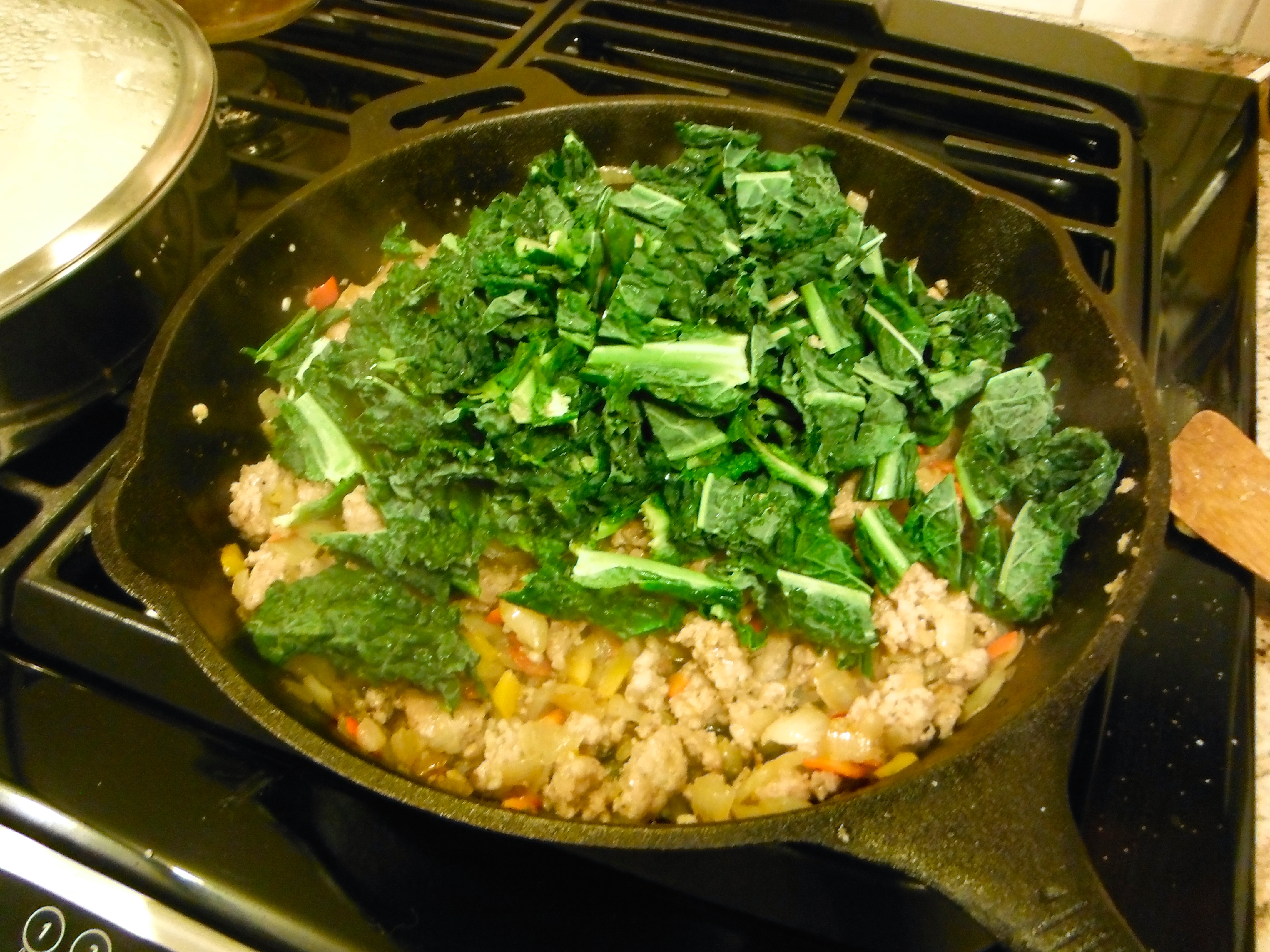
  2. Heat 2 tbsp fat over medium heat. Add onion and pepper. Season with sea salt and pepper. Sautee for 7-8 minutes.
  3. Add garlic. Cook for 2 minutes.
  4. Take sausage out of casings and add to pan. Season again with sea salt and pepper. Stir occasionally, until cooked through, approximately 5 minutes.
  5. When sausage has cooked through, add kale. Stir to combine and cook for another 5 minutes.
  6. Add to cooked Cauli-Rice (see below) and stir to combine.
Cauli-Rice
  1. When sausage is cooking. Wash a head of cauliflower and chop into pieces.
  2. Using the shredder attachment on a food processor, shred cauliflower into rice-sized pieces.
  3. Heat 2 tbsp fat of choice in a large pan, over medium heat.
  4. Add shredded cauliflower and season very liberally with sea salt and pepper.
  5. Stir to combine, cover with a lid and let cook for at least 10 minutes. Stir occasionally.
Final Product
  1. Turn the oven to broil.
  2. Flip the squash so it is skin side down.
  3. Fill the squash with the sausage and cauli-rice mixture, really packing it down. Top with more mixture.
  4. Sprinkle some nutritional yeast on top and broil for 3-5 minutes, being careful not to burn!
  5. Serve immediately.
Notes
  1. Most of this recipe can be made up to 24 hours in advance. Roast the squash and store in a sealed container in the fridge. Prepare the filling and store in a sealed container in the fridge. Assemble when you are ready to eat. Instead of broiling, heat the oven to 400F and cook for 15 minutes until heated through.
This recipe is very flexible
  1. - add or remove any vegetables you have on hand (eg. omit bell pepper if following a therapeutic diet)
  2. - substitute other ground meat or shredded chicken
  3. - substitute acorn, butternut or kabocha squash or even small or mini pumpkins
Amanda Naturally http://www.amandanaturally.com/

Preheat oven to 400F. Gather ingredients. Wash squash and throw in the oven as it’s preheating. Prep veggies. Gather spices. Take the sausage out of the casings.

Sausage Stuffed Delicata Squash - Amanda Naturally  Sausage Stuffed Delicata Squash - Amanda Naturally Sausage Stuffed Delicata Squash - Amanda Naturally


Sautee onions and peppers until translucent. Add garlic, cook for a few minutes. Add sausage. Cook through. When the meat is cooked, stir in the chopped kale and cook for another 5 minutes. 

Sausage Stuffed Delicata Squash - Amanda Naturally  Sausage Stuffed Delicata Squash - Amanda Naturally

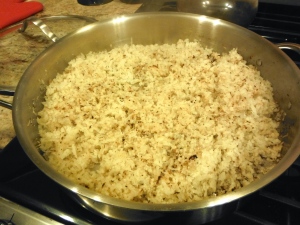
Meanwhile, shred cauliflower and sautee in a covered pan with lots of salt and pepper. Cook for a minimum of 10 minutes, stirring occasionally.

Sausage Stuffed Delicata Squash - Amanda Naturally  Sausage Stuffed Delicata Squash - Amanda Naturally Sausage Stuffed Delicata Squash - Amanda Naturally  Sausage Stuffed Delicata Squash - Amanda Naturally

Once the squash has been in the oven for 20-25 minutes or so, take it out, cut in half lengthwise and scoop out the seeds. Place on a tray, cut side down and roast for another 20 minutes.

Sausage Stuffed Delicata Squash - Amanda Naturally

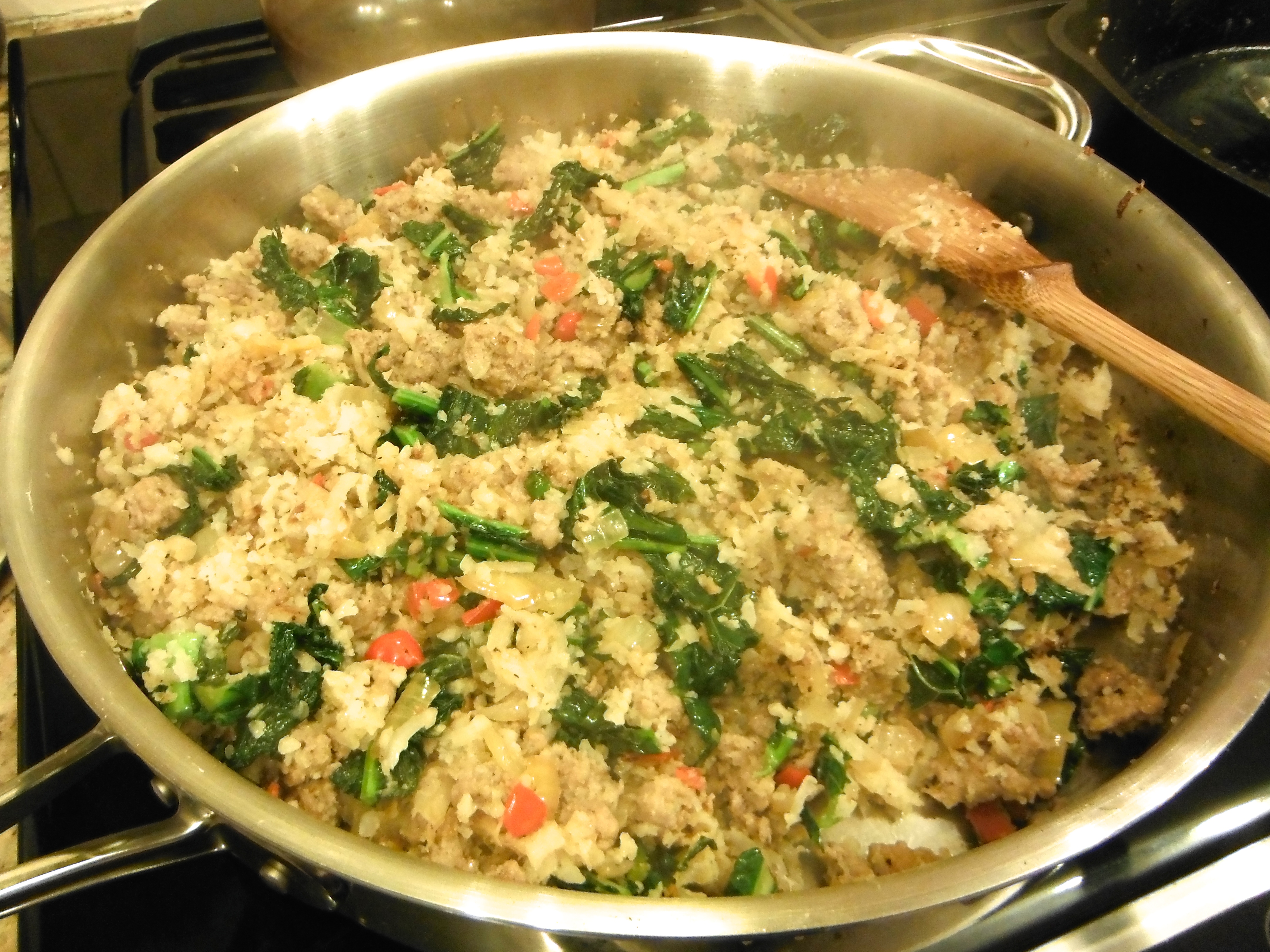
When both the sausage mixture and the cauli-rice are done, add together in the larger pan. In my case it was the cauli-rice pan. Stir to combine. It can sit at this stage until you are ready to assemble.

Sausage Stuffed Delicata Squash - Amanda Naturally

Pull the squash out of the oven and flip onto the round side. Turn the oven to broil. Stuff with cauli-rice/sausage mixture, packing down and adding more on top. Sprinkle with nutritional yeast and broil for 3-5 minutes, being careful not to burn. Enjoy every mouth-watering bite!!

Sausage Stuffed Delicata Squash - Amanda Naturally  Sausage Stuffed Delicata Squash - Amanda Naturally

So tell me, what’s your favourite fall vegetable??

Copyright 2014 Amanda Naturally | Design by The Nectar Collective