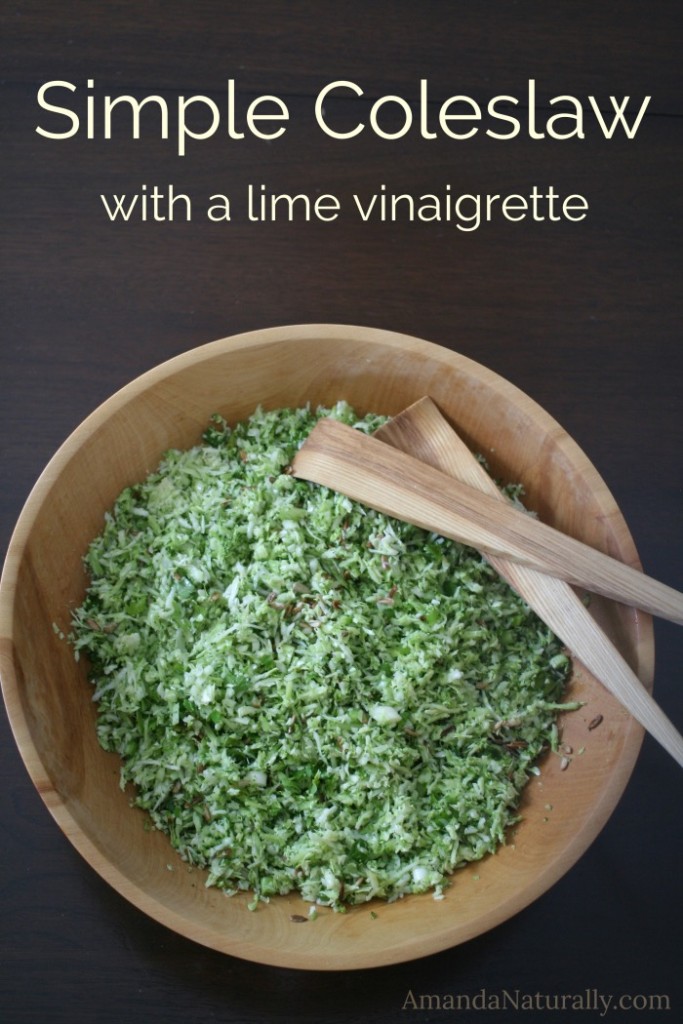
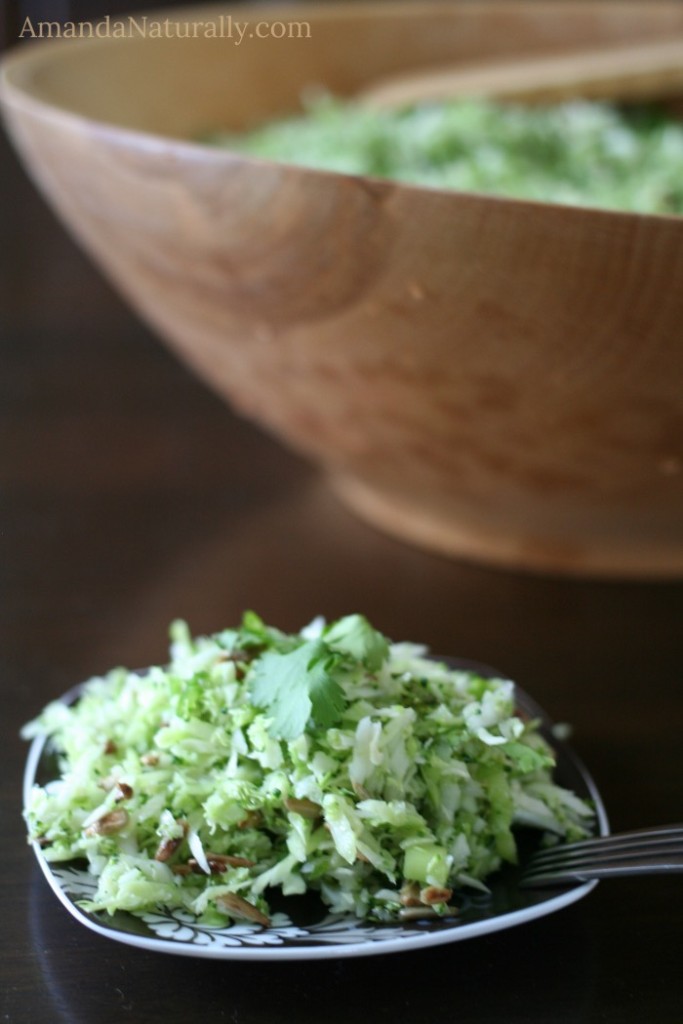
As someone who never liked mayonnaise growing up, coleslaw was something that I avoided pretty passionately. I was even that weird kid who loved salads and veggies – but the mayo killed coleslaw for me. Then one day, a few years ago, I received a cabbage in our weekly veggie bin. So I hopped on the google, searched for “healthy coleslaw” and lo and behold, a vinaigrette version popped up! I made it and it was delicious. I was super jazzed to have a way of eating cabbage that I actually enjoyed.
So what’s the deal with cabbage anyway? Why am I so adamant about getting it into my diet? It’s because cabbage, along with other cruciferous veggies (kale, chard, collards, brussel sprouts, broccoli, cauliflower, bok choy), are nutritional powerhouses. Here are some of their health benefits:
very high in the sulfurous compound, glucosinolate, which is metabolized by the body into potent antioxidants isothiocyanate and thiocyanate.
help the body excrete excess estrogens (this is particularly helpful for someone coming off of birth control, or anyone who has estrogen dominance. Also a good idea for everyone, because many of the chemicals we are exposed to daily, from plastics to fragrances to pesticides, are xeno-estrogens, which means they mimic estrogen in our body) (additional source)
packed with nutrients – vitamins, minerals, phytonutrients, fibre
contains indole-3-carbinol which supports phase 2 liver detoxification, phase 1 is also supported via the sulforaphane content. This balance is important because many “liver supporters” only up regulate phase I. Phase 1 often turns chemicals into more toxic substrates, before phase 2 neutralizes them. Only supporting phase 1 liver detox can result in nasty symptoms. (Note: supporting phase 1 and 2 liver detoxification is real detox, not juice-cleansing, cayenne shooters, no protein “detox” – that’s a load of crap.)
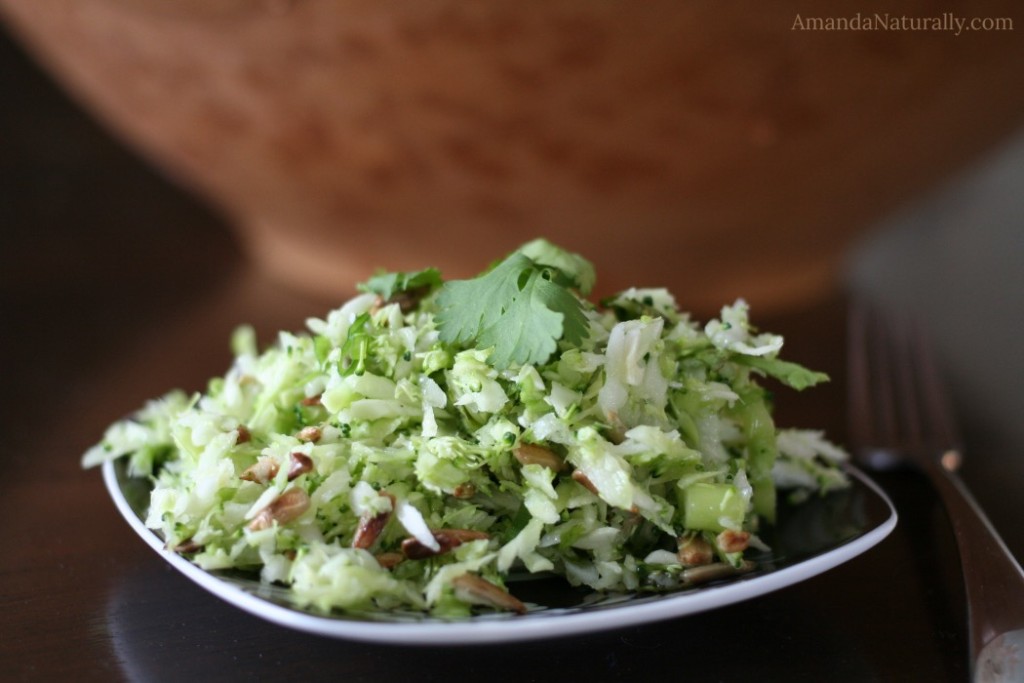
Another reason for consuming cabbage is it’s inexpensive, it makes a large quantity and it’s on the Clean Fifteen list so it doesn’t need to be organic. Also, unlike regular salad, when you turn it into coleslaw, it gets better the longer it sits in the fridge!! This Simple Coleslaw with a Lime Vinaigrette is my go-to in the summer – for potlucks to BBQs to a simple lunch paired with a few hard boiled eggs on a hot day. There’s a lot of flexibility with the ingredients too!
NOTE: Having a food processor with a shredder attachment is incredibly useful for making slaw. However, you can chop the cabbage up old school with a knife!
Simple Coleslaw with a Lime Vinaigrette
2015-07-02 10:55:53
This simple summer salad is perfect for everything from a BBQ to a quick lunch on a hot day. Highly nutritious and budget-friendly too!
Last Saturday was my husband’s birthday and the previous Tuesday was my birthday – so to celebrate, we spent Saturday afternoon at an open house at a local farm. Doesn’t everyone celebrate birthdays that way??
We have been on the hunt for a local farm that raises 100% grassfed beef and pastured pork, from which to buy a ¼, ½ or whole cow and a ½ or whole hog. Why you ask? Well for a few reasons.
From a cost perspective, nothing compares. When you buy a ¼ cow, it ends up being $4.99/lb for all the different cuts. That means even the steaks are $4.99/lb!
You can select the types of cuts you want and you will get all of the odds and ends, including back fat (for making tallow), bones and organs. (You don’t have to take these bits, but eating snout-to-tail is not only ethical, it’s delicious and incredibly healthy)
It is important to us to support local farmers.
We want to be connected with where we get our food from. It can be hard to “meet your meat” but we believe it’s an important part of the process. If you see the animals alive, you can’t help but be respectful and grateful for the life that was given, to allow you to live your life.
I can’t remember how I stumbled across these guys but oh boy am I glad I did. Harry and Silvia Stoddart from The Stoddart Family Farm are the real deal when it comes to raising animals properly. Two incredibly intelligent people – Harry worked in corporate finance and Silvia has a background in biochemistry – their passion for ethical meat production was inspiring.
Harry calls both Joel Salatin from Polyface Farm and Allan Savory of the Savory Institute his mentors and he has implemented many of their farming practices on his acreage. You might remember Joel Salatin from Food Inc. – he’s the farmer who always talks about allowing the pig to express its pigness! He has developed a rotational grazing system on his farm that not only encourages the health of both the animals and the pasture, but results in an exponential increase in profit per acre because it’s being used so strategically. He sums it up on his website in this creative and intriguing way:
For context, please understand that we don’t do anything conventionally. We haven’t bought a bag of chemical fertilizer in half a century, never planted a seed, own no plow or disk or silo—we call those bankruptcy tubes. We practice mob stocking herbivorous solar conversion lignified carbon sequestration fertilization with the cattle. The Eggmobiles follow them, mimicking egrets on the rhinos’ nose. The laying hens scratch through the dung, eat out the fly larvae, scatter the nutrients into the soil, and give thousands of dollars worth of eggs as a byproduct of pasture sanitation. Pastured broilers in floorless pasture schooners move every day to a fresh paddock salad bar. Pigs aerate compost and finish on acorns in forest glens. It’s all a symbiotic, multi-speciated synergistic relationship-dense production model that yields far more per acre than industrial models. And it’s all aromatically and aesthetically romantic.
Allan Savory is doing incredible work rehabilitating the earth in Zimbabwe. About two thirds of the earth is not arable – so it cannot be used for growing crops. When we try to play God and manipulate the earth to grow crops on such land, it is an incredible drain on resources such as water, it causes more damage to the earth because fertilizers are heavily relied upon and it exacerbates drought and nutrient-deficient soils because no animals are there to return the nutrients to the soil. According to the Savory Institue:
For centuries we believed livestock were a major cause of desertification, but Savory’s research showed that the cause lay in how those livestock were managed. His solution involved mimicking the behavior of the formerly vast herds of wild grazing animals he had witnessed as a young biologist. He devised a simple method any pastoralist can use to move massive amounts of carbon and water from the atmosphere back to the soil and begin reversing thousands of years of human-caused desertification – on the scale required, which no technology imaginable can accomplish. In the process, we can feed more people and enhance societal well-being.
Both Salatin and Savory are going against the grain – literally. They are combining the wisdom of our ancestors who had to live in rhythm with the earth, with advances in technology to feed the world and rehabilitate the earth at the same time.
According to Harry, there are 3 pillars of raising animals for consumption:
It must be healthy for the animal.
It must be healthy for the human who will consume it.
Every decision they make at Stoddart Family Farm has to be consistent with all 3 pillars and because of this, they raise incredibly healthy animals whose nutritional quality is unparalleled, and their pasture is a lush and diverse ecosystem full of frogs (a major indicator of pasture health), bugs and a variety of plant matter.
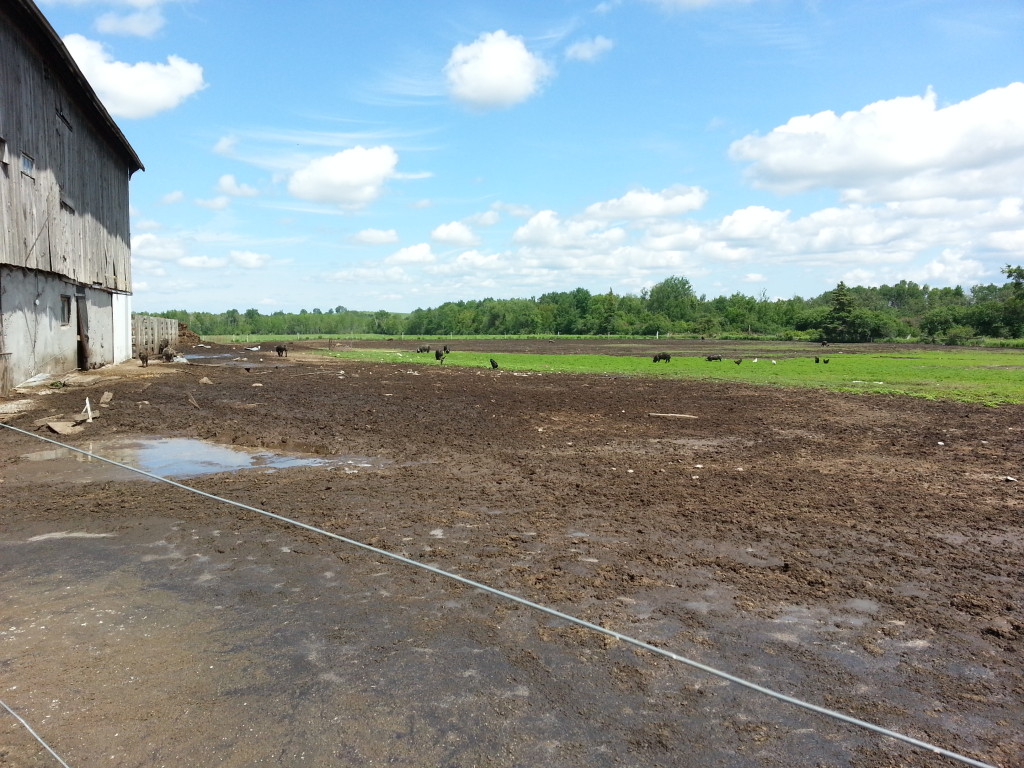
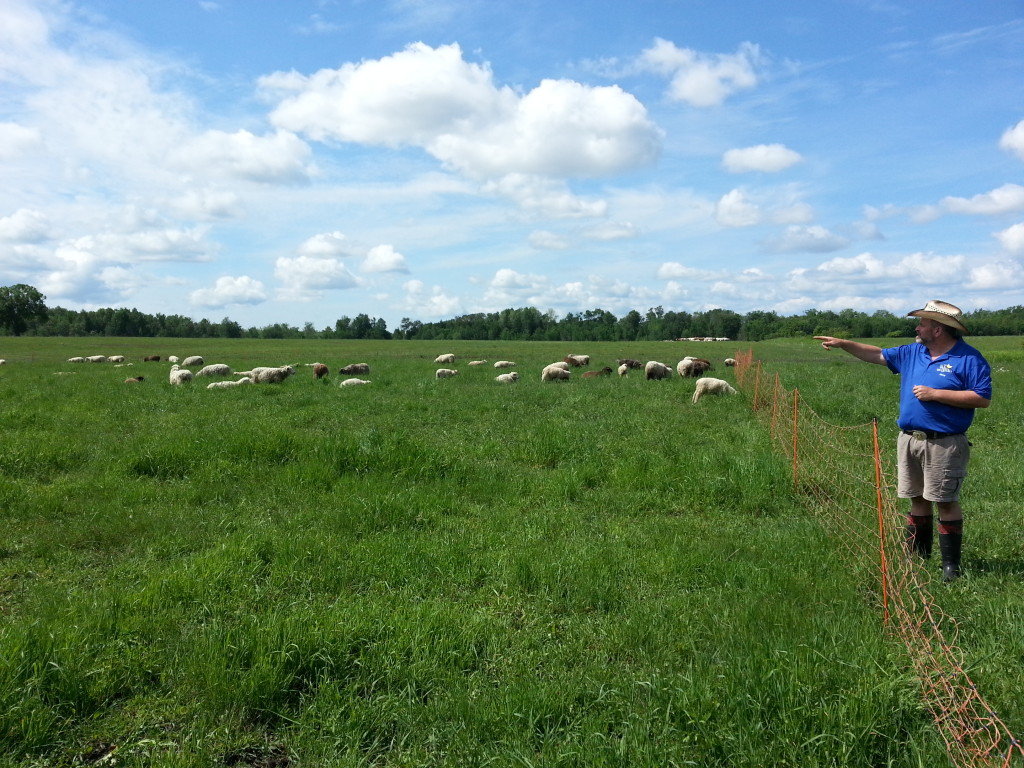
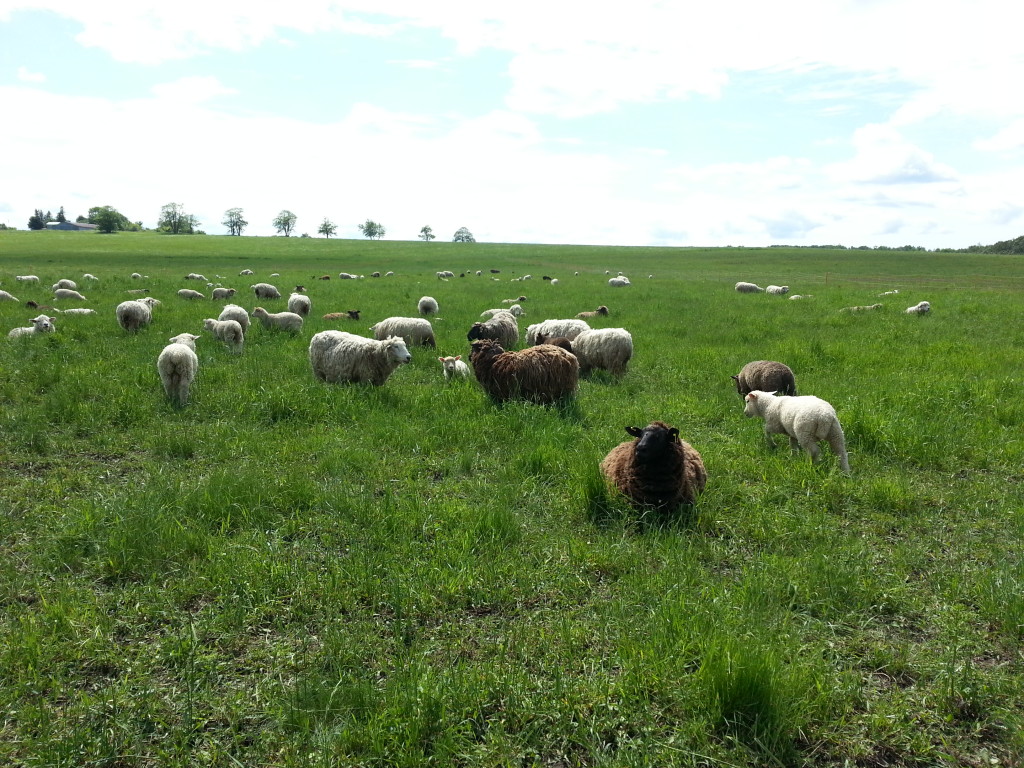
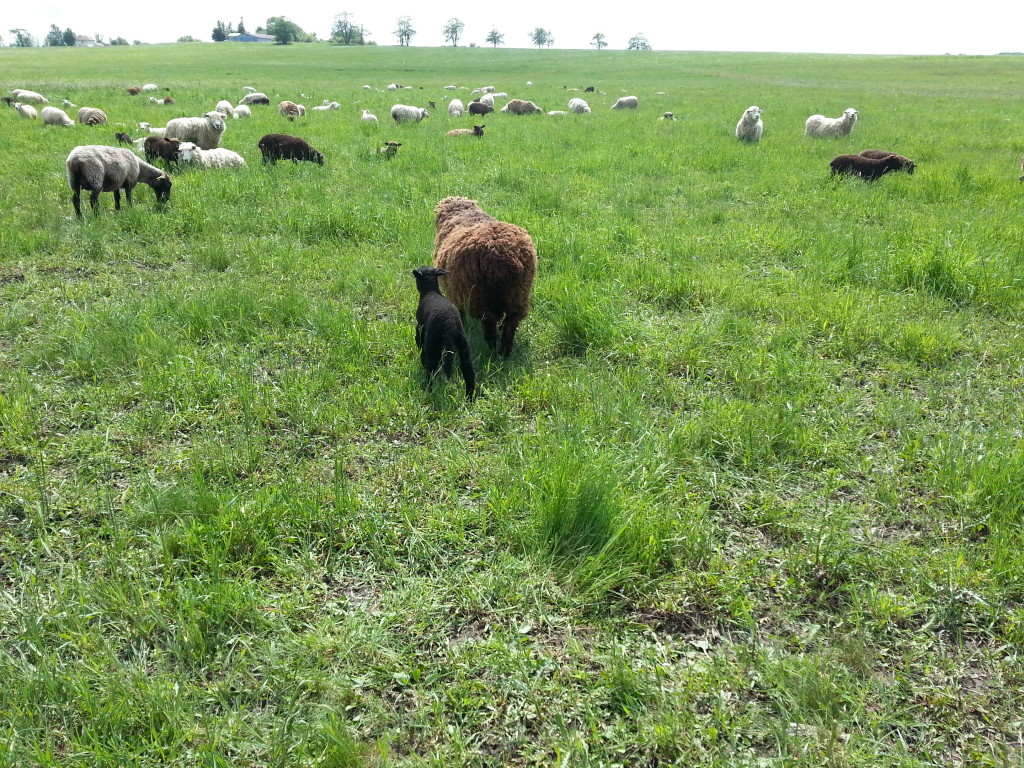
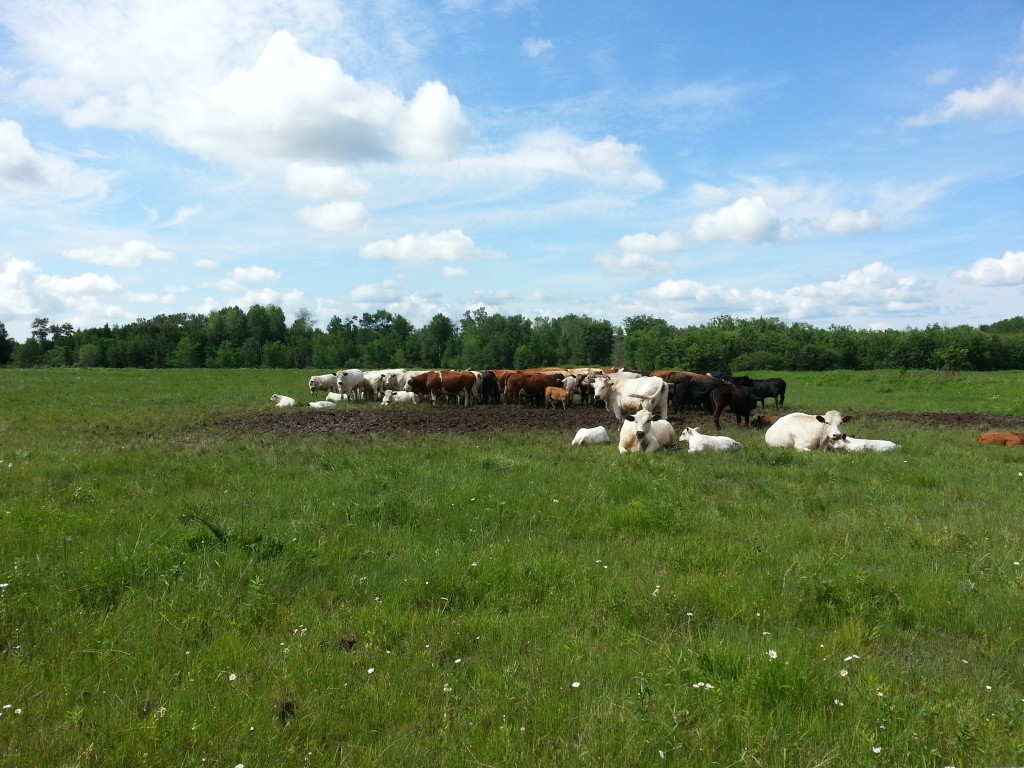
Last Saturday they had an open house, and we happened to be around, so we drove the 45 minutes northeast of Whitby to the far side of Lake Scugog. Boy we were in for a treat! Harry took us on a tour all over the farm, including out to all the pastures. It was a beautiful day, we were out there for over an hour, and we loved every second of it! Here are some photos I snapped that day – bear with me, they are taken on my phone.
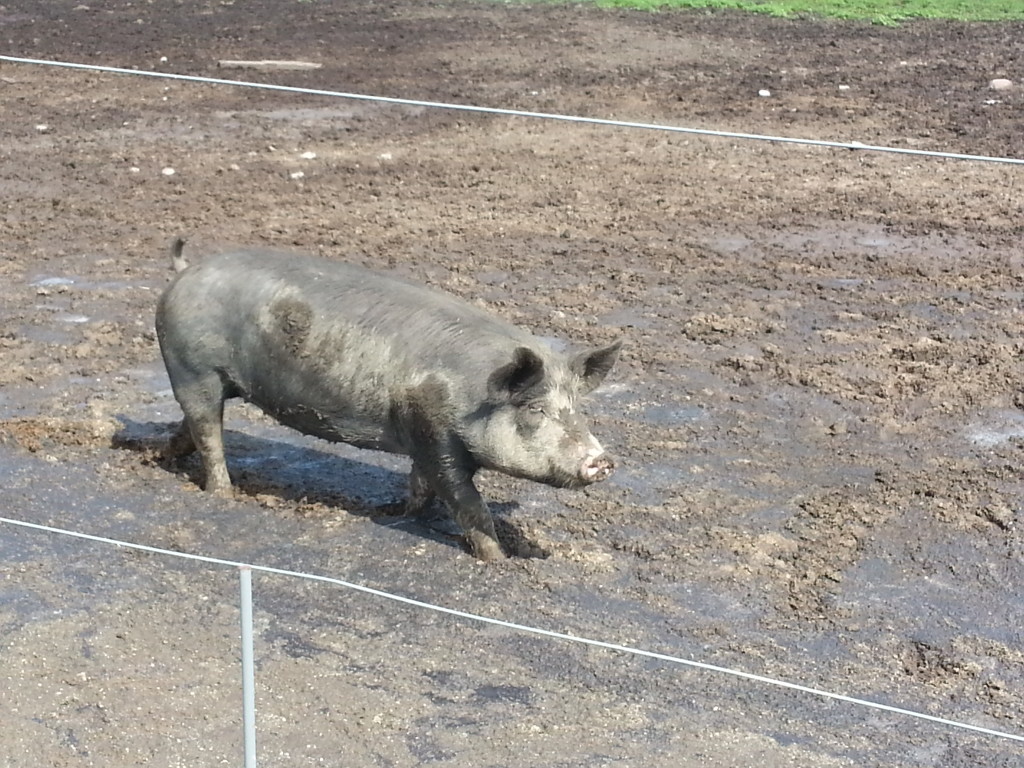
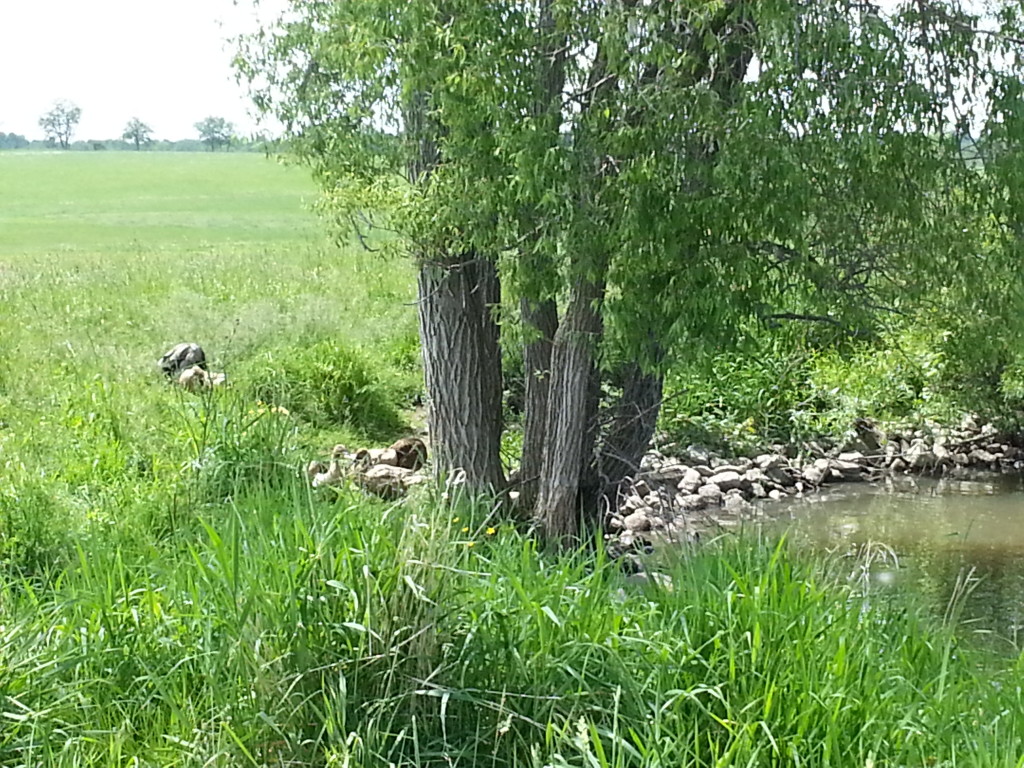
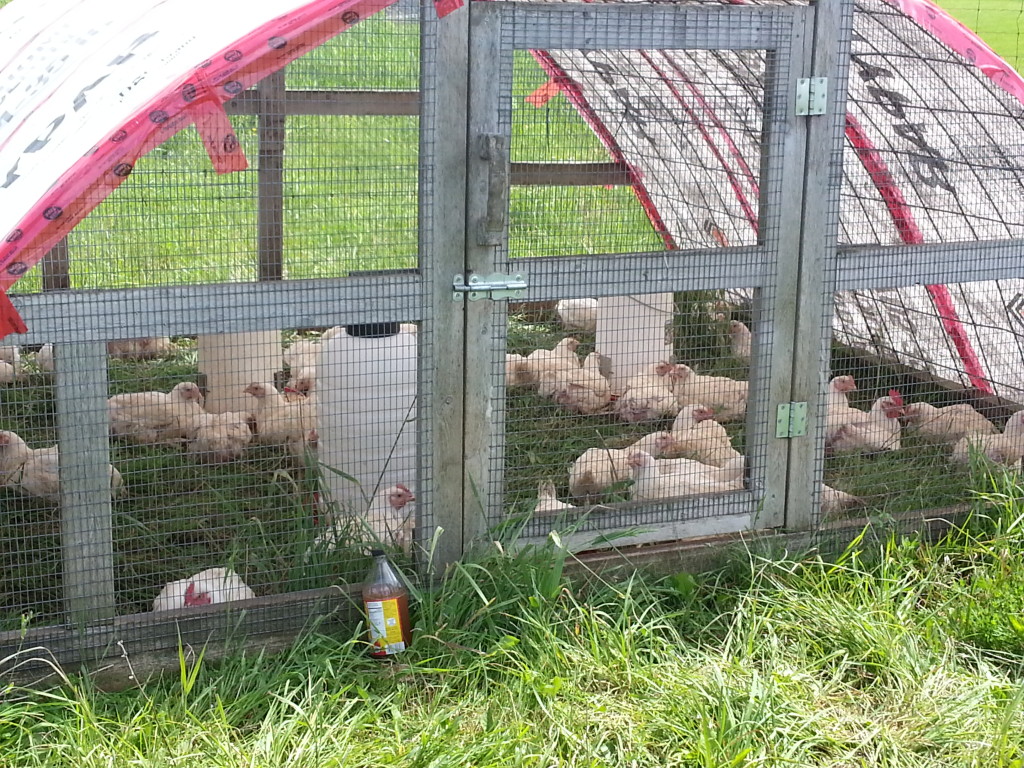
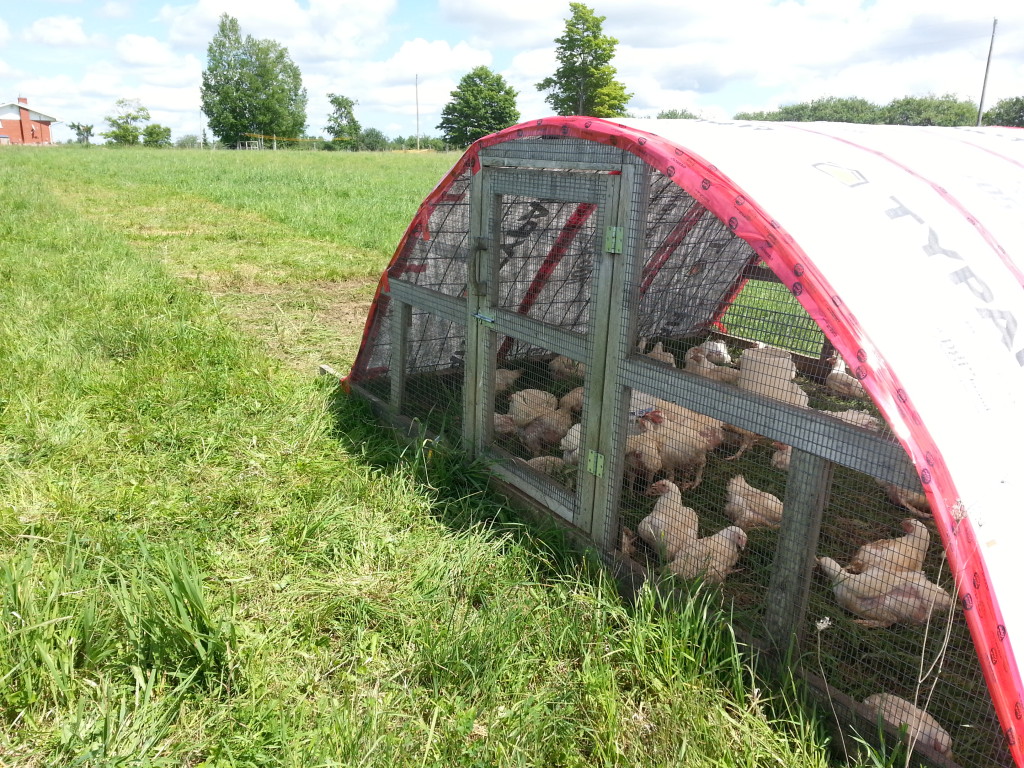
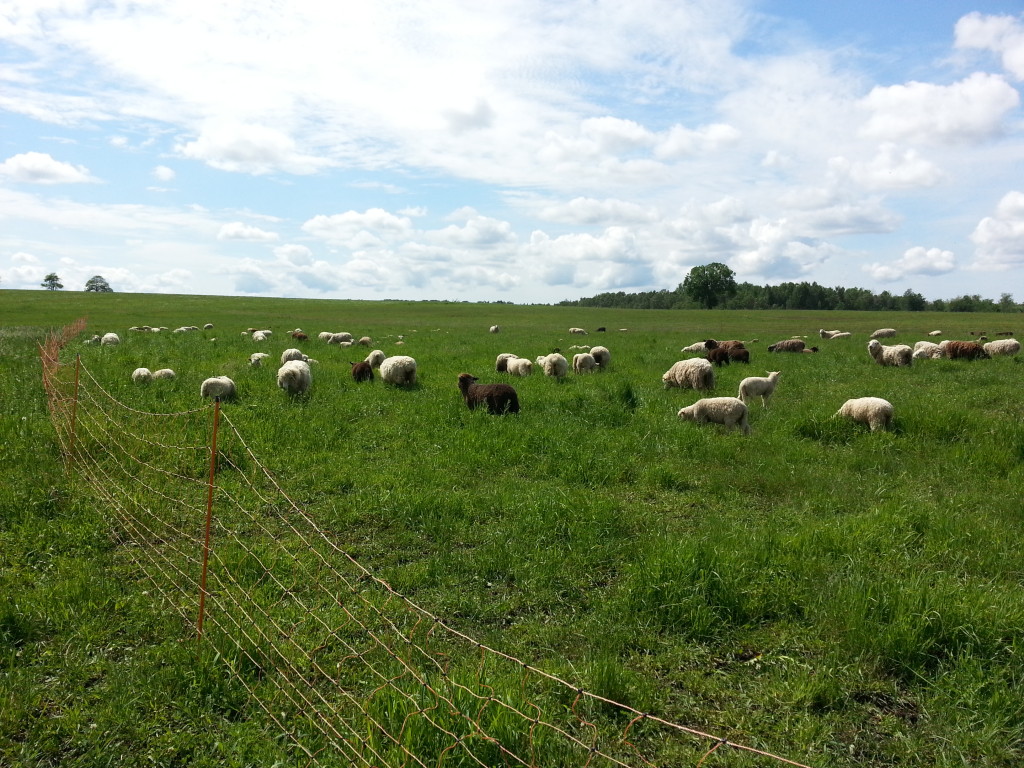
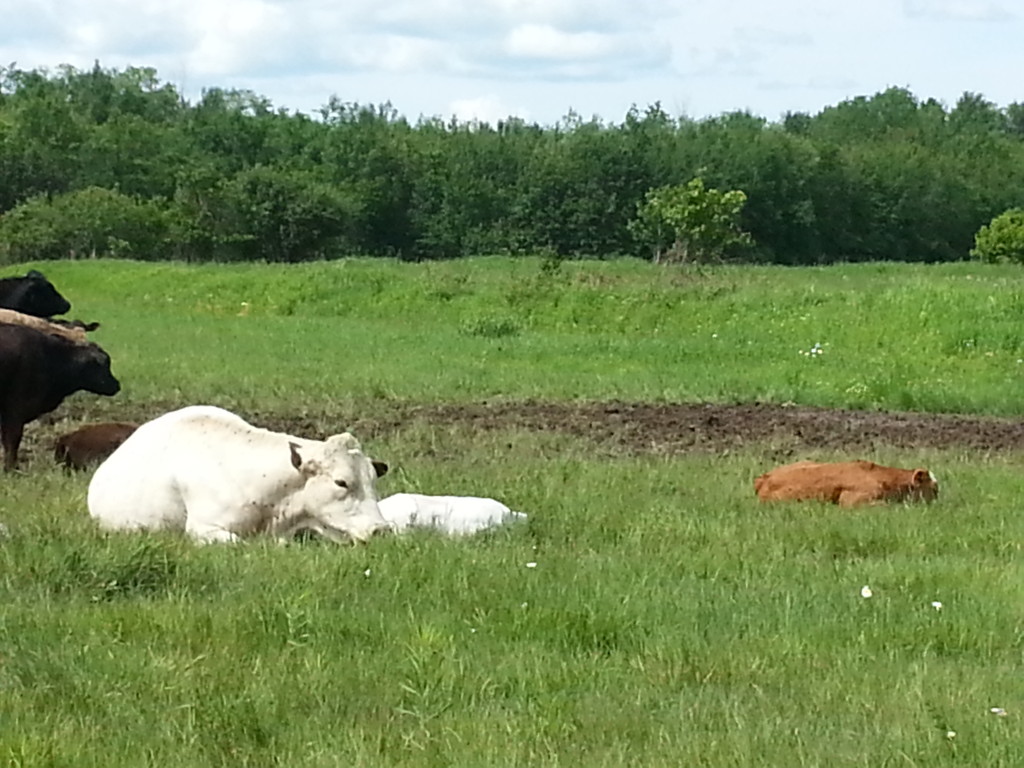
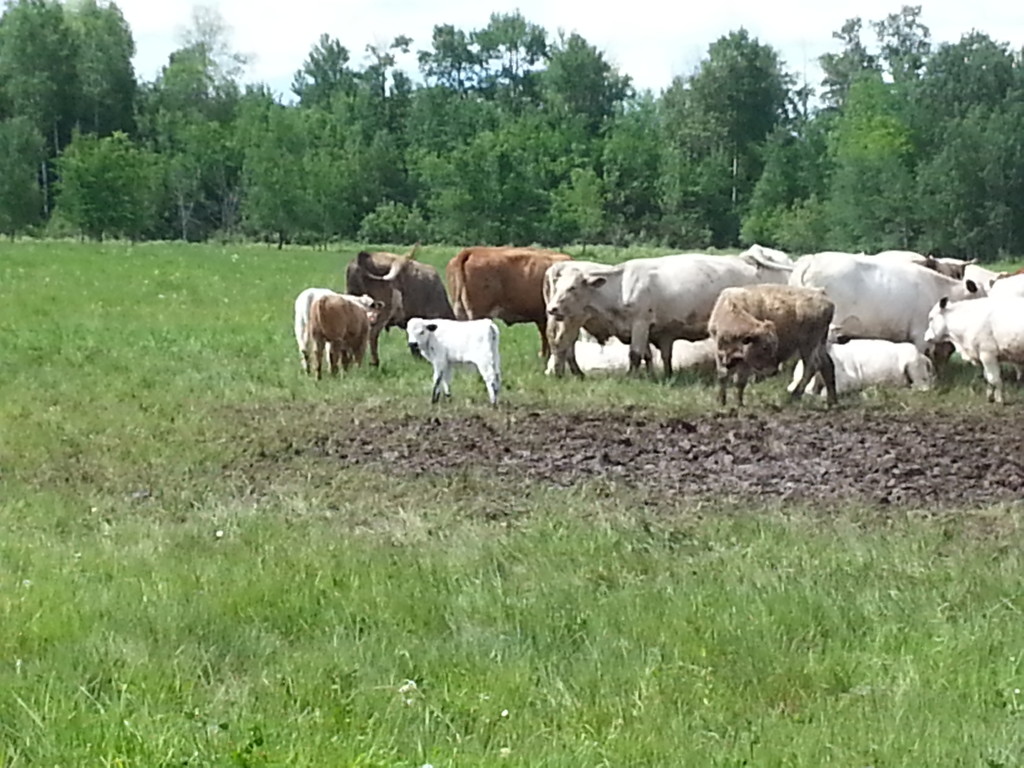
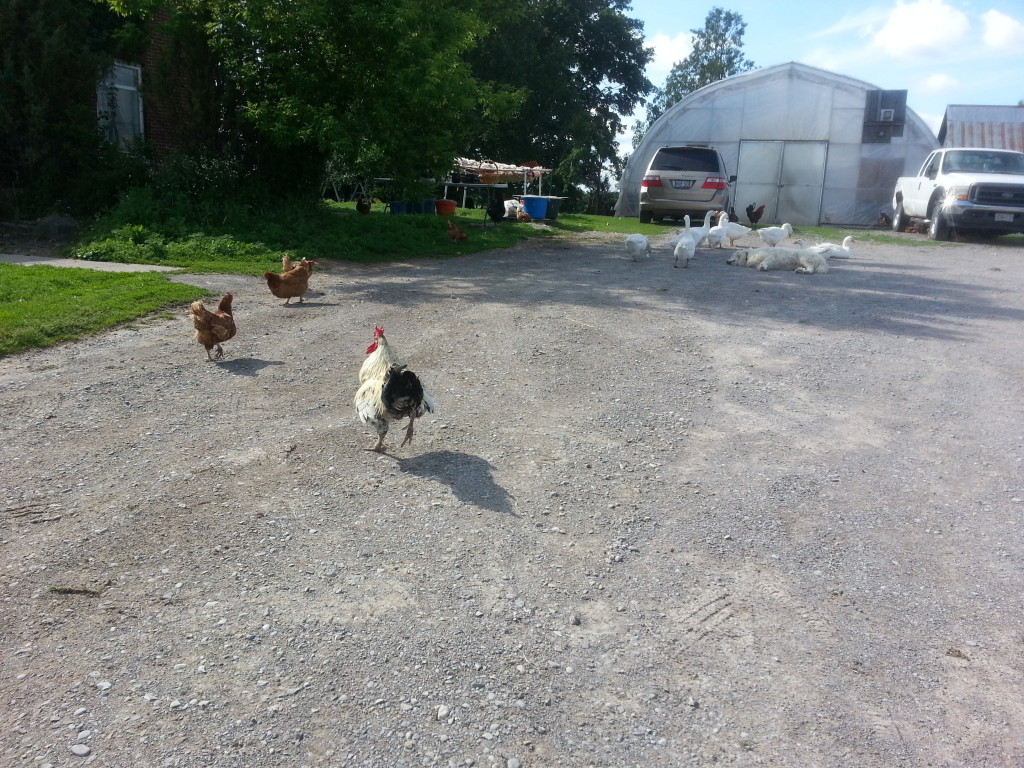
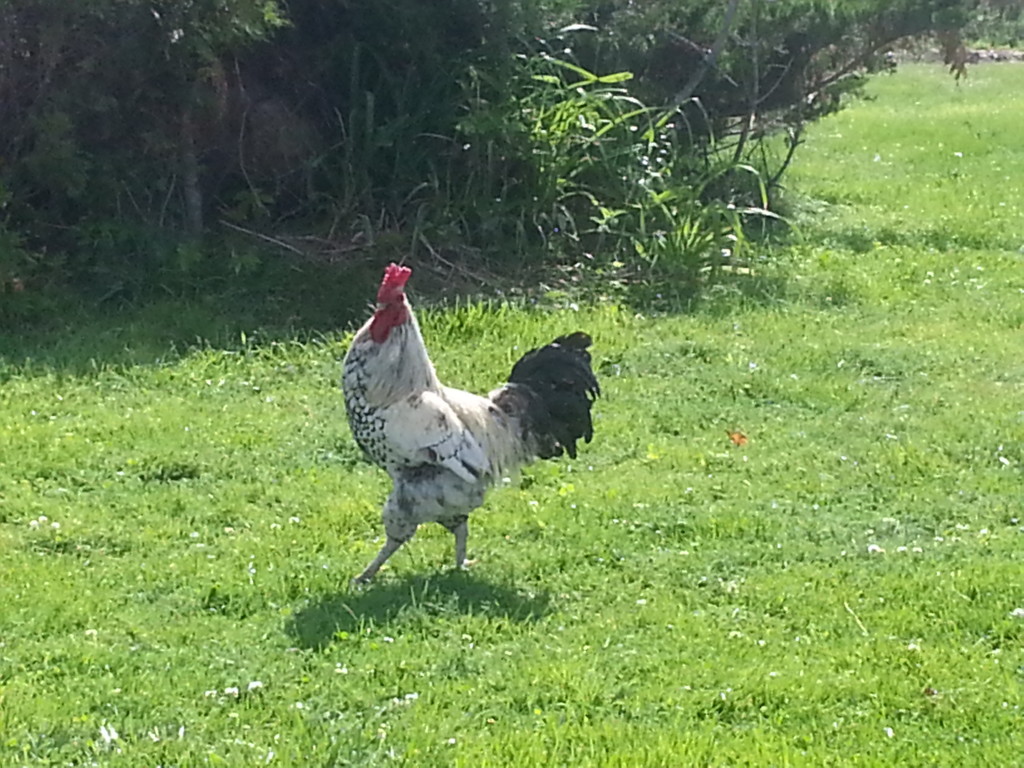
The beautifully muddy yard filled with happy pigs!It had rained most of the previous week and the pigs were rolling in the mud like it was their job (which it kind of is!)Ducks hanging out by the pond.Pasture-raised chickens which will be processed at 10-11 weeks old, compared to the 6 week old conventional meat birds.Every day they move the coop to new grass so the chickens have plenty of bugs and plants to eat. You can see the path of the coop. After about 1 week the grass is completely regrown and you can’t even see where the coop was.Walking through the wide open pasture to the sheep. Every day they are moved to different areas of the pasture.Happy sheep – their baa’s were hysterical!Harry explaining how they don’t just move the sheep to the next closest pasture the next day. He takes into account the health of the pasture and what the animals need, and then makes a decision regarding where he will set them up the next day.Many of the sheep have been shorn already. They use the wool to make beautiful yarn.Little baby sheep!Cows grazing on grass – the way nature intended it!The cows are also moved every day to new pasture.This little guy was less than 24 hours old! They don’t castrate their bulls, so nature takes its course on the pasture. Which results in a bigger herd. If anything happens during the birth, the cow can still be processed for meat. Sounds harsh, but it’s actually better than in nature, where much of the animal may go to waste instead of being used as food.Talk about free range eggs from free range hens! (and roosters!)Struttin’ his stuff as we head out for the day.
As we left, we felt incredibly inspired and grateful. We have our very own version of Polyface Farm at Stoddart Family Farm. That night we cooked up some of the most delicious burgers we’ve had in a long time, with ground beef purchased from the farm. We immediately put in an order for an entire cow and pig – which we will be sharing with my parents and some of our close friends. And while I can’t vouch for the pork yet, if the beef was any indicator, we are in for a treat.
If you are currently purchasing grassfed or organic meat at a local butcher, and are finding it tough on your budget, I strongly recommend looking into Stoddart Family Farm. At $4.99/lb you are getting an incredible deal on the highest quality product possible. And most importantly, you will be supporting a small, local farm, whose primary goal is health – of the animal, the consumer and the earth.
Seriously guys, plantains are the best! Here’s why:
They are incredibly versatile and can be used to make everything from biscuits and pancakes, to tortillas and nachos. Green plantains are savoury and a great alternative to potatoes. Ripe plantains (yellow, or yellow with brown spots) are super sweet and great for making batters.
They last forever in your kitchen (well as long as you don’t eat them) because you can use them at all stages of their ripeness. Seriously, we’re talking weeks before they go bad!
They cook up very quickly. Most people who have switched over to a real-food diet will agree with me when I say whole-food starches take a long time to prep! Sweet potatoes and squash take almost an hour in the oven, and sometimes (ok most times) I don’t have that kind of time! Fried plantains, as you’ll see in the recipe below, take 10 minutes.
They are a very neutral starch, so unless you have a banana allergy, they are usually safe for most people.
They are very nutrient dense (as opposed to grains and flours) and are full of the good kind of starch that feeds your beneficial gut bacteria.
They are a great chip alternative, and while you can make your own, I highly suggest purchasing Inka Plantain Chips. (tip to all my Canadians out there – you can buy the Inka green plantain chips at Dollarama!!)
They’re freakin’ delicious!
They do have one major downside – they’re definitely not local to where I live. So not only can that make them challenging to locate (note: Asian markets and ethnic grocery stores always have them), but it also means they have a high environmental footprint. I try to eat mostly local and seasonal – meat from local farmers, vegetables from a local CSA – but plantains, bananas and coconut are the one exception. Driving a Prius makes me feel a bit better about that!
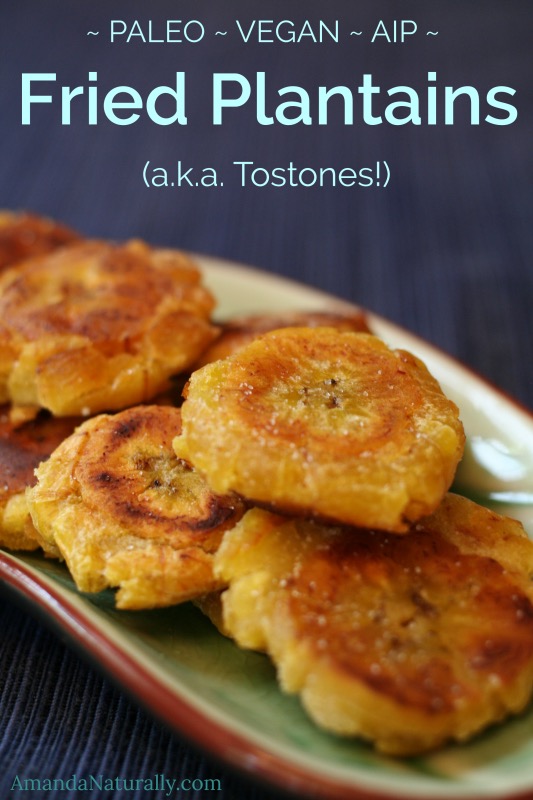
Plantains can be a little intimidating the first time you make them, so my goal with this post is to show you how simple they are. This recipe is for fried green plantains, also called tostones or patacones, depending on where you’re from! These guys are reminiscent of a french fry or potato wedge. You can follow the exact same recipe for ripe plantains, but you won’t need to smash them halfway. Also they’ll be very sweet. Which ripeness you choose to fry up depends on the meal you’re preparing, your personal preference and if you have any plantains left that were allowed to ripen!
Fried Plantains (a.k.a. Tostones)
1. Slice off the ends of your plantain and cut into 3 or 4 chunks, to make the next steps easier.
2. Score the skin of the plantain, being careful not to cut the flesh. Use your knife edge or fingernails to peel off the skin. It’s a lot tougher than a banana, but the flesh isn’t as delicate so no need to worry about bruising the plantain!
3. Once the skin is removed, slice the plantains into about 1-2 cm discs.
4. Heat a decent amount of fat in a frying pan over medium. I love using coconut oil for frying plantains because it really compliments the flavour of the plantain, but you can use any saturated fat (ghee, lard, bacon grease, tallow). You want the melted fat to be a few millimetres deep and covering the entire pan.
5. Place the plantains in the hot oil and cook for 3-4 minutes. You will notice the bottom turning golden brown. Keep the burner at medium or less, you want the whole bottom half of the plantain to cook through as it turns golden brown. If they are cooking too fast, turn down the heat.
6. Flip the plantains and cook another 3-4 minutes on the other side.
7. Once they’re golden on both sides and cooked through (you shouldn’t see any raw plantain in the middle), remove a few at a time and smash them! Take a chef’s knife or a glass cup and gently and evenly press down on the plantain disc until it flattens.
8. As you smash the plantains, return them to the frying pan and continue until they’re all flat. Fry for 1-2 more minutes on each side, adding extra oil if you need.
Fat (I prefer coconut oil because it really compliments the flavour of the plantain, but you can use any saturated fat - lard, bacon grease, tallow, ghee)
Sea salt
Instructions
1. Slice the ends off of the plantain, and cut into 3 or 4 chunks.
2. Score the skin of the plantain, being careful not to cut the flesh. Use your knife edge or fingernails to peel off the skin.
3. Slice the plantains into about 1-2 cm discs.
4. Heat a liberal amount of fat in a frying pan over medium. Melted fat should be a few millimetres deep and covering the entire pan.
5. Place the plantains in the hot oil and cook for 3-4 minutes, until the bottom turns golden brown.
6. Flip the plantains and cook another 3-4 minutes on the other side.
7. Once they're golden on both sides and cooked through (no raw plantain in the middle), remove a few at a time and smash them! Take a chef's knife or a glass cup and gently and evenly press down on the plantain disc until it flattens.
8. As you smash the plantains, return them to the frying pan and continue until they're all flat. Fry for 1-2 more minutes on each side, adding extra oil if you need.
9. Season liberally with sea salt and serve!
Notes
If you are using ripe plantains (which are just as awesome, but quite sweet), you do not need to smash them. Simply cook until golden brown on the first side, flip and cook to golden on the second side. Season with sea salt and serve!

 As someone who never liked mayonnaise growing up, coleslaw was something that I avoided pretty passionately. I was even that weird kid who loved salads and veggies – but the mayo killed coleslaw for me. Then one day, a few years ago, I received a cabbage in our weekly veggie bin. So I hopped on the google, searched for “healthy coleslaw” and lo and behold, a vinaigrette version popped up! I made it and it was delicious. I was super jazzed to have a way of eating cabbage that I actually enjoyed.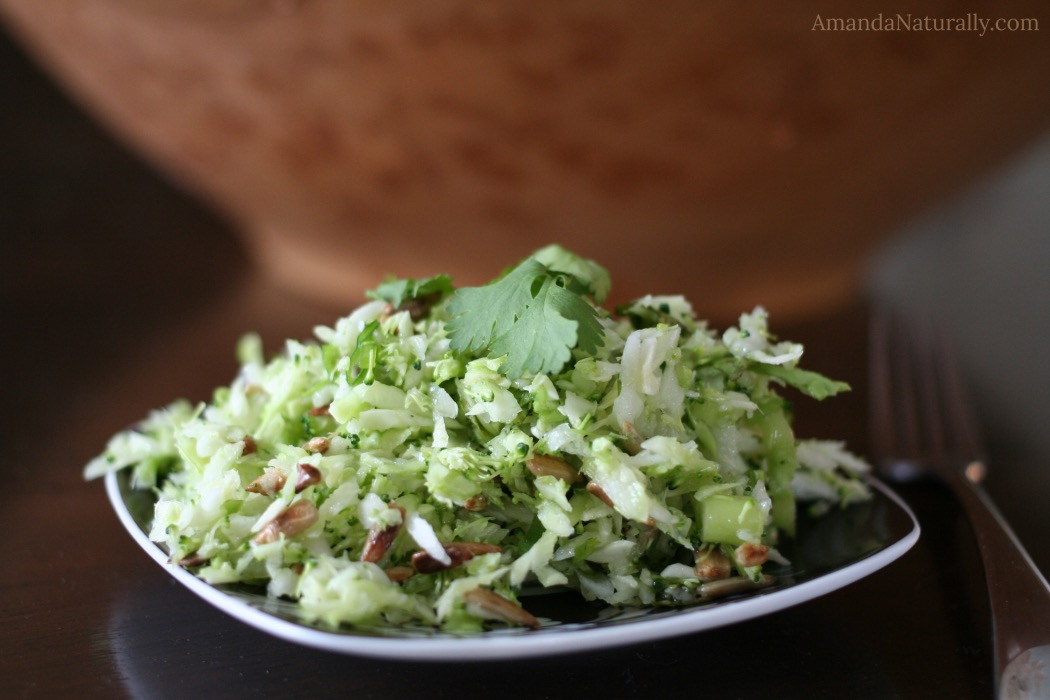




 6. Flip the plantains and cook another 3-4 minutes on the other side.